
DMT (Diamond Machining Technology) whetstones offer a remarkably efficient and consistent method for achieving razor-sharp knife edges․
This guide explores the benefits of utilizing DMT for maintaining optimal blade performance, ensuring longevity and precision in every cut․
DMT stones are renowned for their monocrystalline diamond surface, providing rapid material removal and exceptional edge refinement, making them a favorite among professionals․
What is a DMT Whetstone?
DMT whetstones are not traditional sharpening stones; they utilize a surface embedded with microscopic diamonds to abrade the steel of a knife blade․ These diamonds, specifically monocrystalline diamonds, are incredibly hard and wear-resistant, offering significantly faster sharpening speeds compared to conventional water stones or oil stones․
Unlike stones that rely on abrasive particles breaking down and becoming new cutting surfaces, DMT stones maintain their consistent cutting power over an extended period․ This is because the diamonds themselves don’t readily wear down․ They come in various forms, including flat stones, diamond sticks, and folding pocket stones, catering to different sharpening needs and preferences․
The diamond surface is typically bonded to a steel or resin backing, providing rigidity and stability during use․ DMT stones are designed for use with a light lubrication of water, enhancing the cutting action and preventing the blade from clogging with metal particles․ They are a durable and effective solution for both restoring damaged edges and maintaining a keen sharpness․
Benefits of Using DMT for Sharpening
DMT whetstones offer several key advantages over traditional sharpening methods․ Their primary benefit lies in speed – the diamond abrasive cuts steel much faster, reducing sharpening time significantly․ This efficiency is particularly valuable for those who frequently sharpen knives or work with dull blades․
Consistency is another major advantage․ DMT stones maintain a consistent cutting surface throughout their lifespan, unlike water stones that wear unevenly․ This leads to more predictable and repeatable sharpening results․ Furthermore, DMT stones are incredibly durable and require minimal maintenance; they don’t need soaking or frequent flattening․
The versatility of DMT stones is also noteworthy․ They can effectively sharpen a wide range of blade materials, from high-carbon steel to stainless steel, and are suitable for various tools beyond knives, including chisels and plane irons․ The monocrystalline diamond surface delivers a superior edge, enhancing cutting performance and overall tool usability․
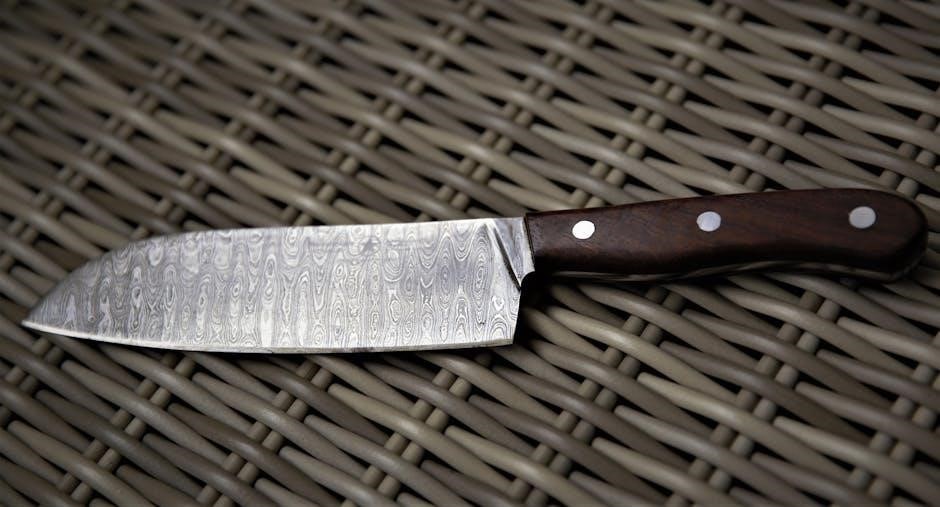
Understanding Knife Anatomy & Sharpening Terminology
Sharpening involves understanding the blade’s geometry – the edge, bevel, and spine․ Maintaining a consistent bevel angle is crucial for optimal cutting performance and edge longevity․
The Bevel Angle
The bevel angle is the most critical aspect of knife sharpening, directly influencing the edge’s durability and cutting ability․ A smaller angle creates a sharper, more delicate edge, ideal for slicing, but it’s prone to chipping․ Conversely, a larger angle produces a more robust, durable edge, suitable for heavier tasks like chopping, but with reduced sharpness․
Common bevel angles range from 15 to 25 degrees․ Japanese knives often feature angles around 15-18 degrees for exceptional sharpness, while Western knives typically have angles between 20-25 degrees for increased durability․ Maintaining consistency throughout the sharpening process is paramount; even slight variations can result in an uneven or weak edge․
Using a DMT stone allows for precise angle control, especially when combined with a sharpening guide․ Establishing the correct angle initially, and then consistently replicating it across the entire edge, is key to achieving professional-quality results․ Remember, the goal is a uniform bevel on both sides of the blade․
Grit Selection for Different Sharpening Stages
DMT stones are available in a wide range of grits, each serving a specific purpose in the sharpening process․ Coarser grits (e․g․, 325-600) are ideal for repairing damaged edges, removing significant metal, and establishing a new bevel․ These grits work quickly but leave a rough finish․
Medium grits (e․g․, 800-1200) are used to refine the bevel created by the coarser grit, removing scratches and preparing the edge for finer polishing․ This stage establishes the primary cutting edge․ Finally, fine grits (e․g․, 3000-8000+) polish the edge to a razor sharpness, removing any remaining imperfections․
A typical sharpening sequence involves starting with a coarse grit, progressing to medium, and finishing with fine․ For lightly used knives, you might skip the coarse grit․ Always work sequentially through the grits, ensuring each stage builds upon the previous one for optimal results․

Preparing for Sharpening with a DMT
A stable sharpening station and proper lubrication are crucial for success․ Sprinkle water onto the DMT surface to float away metal particles and enhance cutting efficiency․
Setting Up Your Sharpening Station
Establishing a dedicated and stable sharpening station is paramount for consistent results with your DMT whetstone․ Begin by selecting a non-slip surface; a rubber mat or a damp cloth placed under the stone will prevent unwanted movement during the sharpening process․ Ensure adequate lighting to clearly visualize the bevel and edge․
Position the DMT stone so that you can comfortably maintain the desired sharpening angle throughout each stroke․ Consider using a vise or a non-marring clamp to secure the stone if necessary, especially when working with larger blades․ Having a clean workspace free from distractions will also contribute to a safer and more focused sharpening experience․
Keep a clean rag or paper towels nearby to wipe away metal filings and lubricant as you work․ Finally, have a method for testing the sharpness of your blade readily available, such as a piece of paper or a tomato, to assess your progress․
Lubrication: Water or Oil?
Unlike traditional sharpening stones, DMT diamond whetstones are designed to be used with water as a lubricant, though some can also function effectively with oil․ Water serves primarily to flush away metal particles and keep the diamond surface clean, preventing clogging and maintaining optimal cutting efficiency․ A light sprinkle of water is generally sufficient; avoid excessive amounts that could create a slurry․
While oil can be used, it’s not typically necessary and can sometimes hinder the cutting action by loading the diamond surface․ If you choose to use oil, select a light mineral oil and apply it sparingly․ Water is generally preferred for its superior cleaning ability and ease of use with DMT stones․
Regularly wiping the stone with a clean cloth during sharpening will help maintain a clear cutting surface, regardless of whether you’re using water or oil․
The Sharpening Process: Step-by-Step
Achieving a sharp edge with a DMT involves a systematic approach, progressing through coarse, medium, and fine grits to repair, establish, and refine the blade’s bevel․
Coarse Grit Sharpening (Repairing Damage)
Begin with the coarse grit DMT stone when addressing significant damage like chips, rolls, or a severely dull edge․ Apply a light coating of water to the stone’s surface to aid in material removal and prevent diamond clogging․ Holding the knife at the appropriate bevel angle – typically around 20 degrees, but adjusted based on the blade type – draw the blade across the stone with moderate, consistent pressure․
Focus on removing metal efficiently, working from heel to tip in a sweeping motion․ Alternate sides with each stroke, maintaining the angle throughout․ Regularly check your progress, feeling for burr formation along the edge․ A burr indicates that you’ve reached the apex of the bevel․ Continue until the damage is removed and a consistent bevel is established, even if it’s not yet refined․ Remember, the coarse grit is for reshaping, not polishing․
Medium Grit Sharpening (Establishing the Bevel)
Transition to the medium grit DMT stone after repairing any damage with the coarse grit․ This stage focuses on refining the bevel and creating a more consistent edge․ Again, apply water lubrication to the stone․ Maintain the same bevel angle established during coarse grit sharpening, ensuring consistency is key for a symmetrical edge․
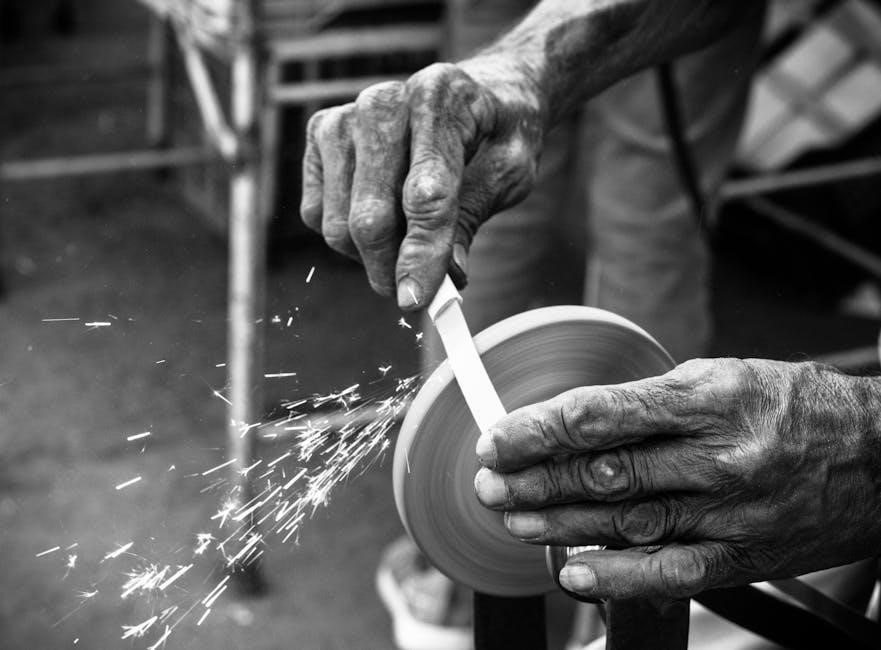
Reduce the pressure slightly compared to the coarse grit, and continue alternating strokes, heel to tip, across the stone․ The goal is to remove the scratches left by the coarser grit and further refine the bevel․ Continue sharpening until a noticeable burr forms along the entire length of the blade, indicating you’ve reached the apex․ This burr will be smaller and more refined than the one created during coarse sharpening․
Fine Grit Sharpening (Refining the Edge)
Switch to the fine grit DMT stone to polish the edge and remove the burr created during medium grit sharpening․ Maintain the established bevel angle and continue lubricating with water․ Apply very light pressure; the fine grit is designed for polishing, not aggressive material removal․
Reduce the number of strokes and focus on refining the edge․ Alternate strokes, heel to tip, across the stone, gradually decreasing the angle slightly with each pass․ This helps to remove the remaining burr and create a truly sharp edge․ You should feel minimal resistance as you sharpen․ Inspect the edge frequently to monitor progress․ A bright, reflective edge indicates a well-refined bevel․ Repeat until the burr is completely eliminated and the edge feels crisp and smooth․
Maintaining Your DMT Whetstone
DMT stones require minimal maintenance; regular cleaning with water removes metal particles․ Flattening is rarely needed due to diamond’s durability, preserving optimal sharpening performance․
Cleaning Your DMT Stone
DMT diamond stones don’t require extensive cleaning, but removing metal swarf is crucial for maintaining optimal sharpening performance․ After each use, or periodically during extended sharpening sessions, simply rinse the stone under warm running water․ A soft brush, like an old toothbrush, can be used to gently scrub the surface, dislodging any embedded particles․
Avoid using harsh chemicals or abrasive cleaners, as these can potentially damage the diamond surface․ Mild dish soap can be used if necessary, but ensure the stone is thoroughly rinsed afterward to remove any soap residue․ Allow the stone to air dry completely before storing it․
Regular cleaning prevents the buildup of metal particles, which can contaminate the sharpening process and dull your blade․ A clean DMT stone ensures efficient material removal and a consistently sharp edge․ This simple maintenance step significantly extends the life and effectiveness of your sharpening tool․
Flattening a DMT Stone (If Necessary)
While DMT diamond stones are incredibly durable, they can become uneven over time due to wear, especially with frequent use on harder steels․ Flattening restores a perfectly level surface, ensuring consistent sharpening angles․ Unlike traditional whetstones, DMT stones require minimal flattening․
If you notice uneven wear, use another DMT stone of a similar grit, or a dedicated flattening stone, with firm, even pressure․ Move in a figure-eight pattern across the surface․ Alternatively, some sharpeners use silicon carbide sandpaper adhered to a flat surface․
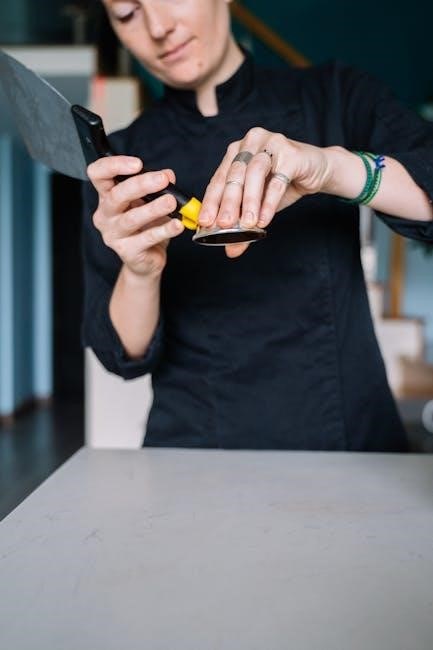
Check for flatness frequently during the process․ A perfectly flat stone is essential for achieving a consistent bevel․ Flattening is typically only needed after extensive use or if you detect inconsistencies in your sharpening results․ Maintaining a flat surface maximizes the effectiveness of your DMT stone․

Advanced DMT Sharpening Techniques
DMT stones excel with guides for angle consistency, and are versatile for diverse blade geometries․ Mastering these techniques unlocks superior sharpness and control for all your cutting tools․
Using a Sharpening Guide with DMT
Sharpening guides significantly enhance precision when using DMT stones, particularly for beginners or when maintaining a consistent bevel angle is crucial․ These guides clamp onto the blade, dictating the angle at which you draw the knife across the stone․ This eliminates guesswork and promotes uniform sharpening along the entire edge․
When employing a guide, select the appropriate angle setting based on your knife’s intended purpose – lower angles for slicing, higher angles for chopping․ Securely attach the guide, ensuring it doesn’t shift during the sharpening process․ Apply moderate, consistent pressure as you move the knife across the DMT stone, following the guide’s established angle․
Remember to maintain even strokes and avoid excessive force, allowing the diamond abrasive to do the work; Regularly check the edge for progress, and adjust your technique as needed․ DMT stones work exceptionally well with guides, delivering repeatable, professional-quality results․ Guides are especially helpful for maintaining the proper angle when establishing the bevel․
Sharpening Different Blade Types with DMT
DMT stones excel at sharpening a diverse range of blade types, though technique adjustments are often necessary․ For example, single-bevel knives, like Japanese chisels, require careful attention to maintain the unique geometry of the edge․ Employ lighter pressure and focus on consistent angle control․
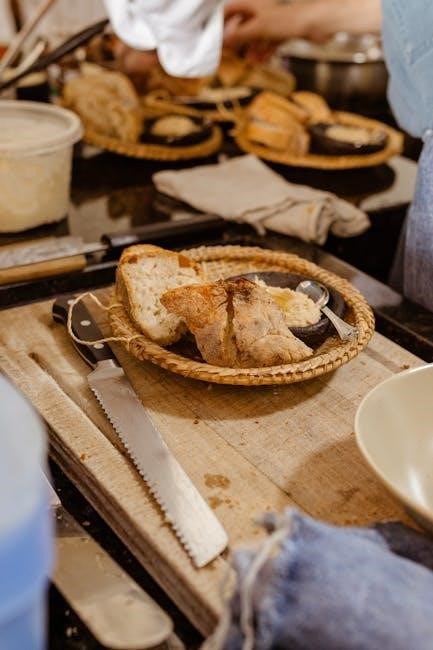
Serrated knives present a different challenge; DMT stones can refine the existing serrations, but avoid attempting to reshape them․ Use a gentle, sweeping motion to hone each serration individually․ For curved blades, like fillet knives, adapt your stroke to follow the curvature, ensuring even sharpening along the entire length․
Pocket knives and multi-tools often have complex blade shapes․ Utilize a DMT’s versatility by adjusting your grip and stroke to access all areas of the blade․ Remember to start with coarser grits for damaged edges and progress to finer grits for polishing․ DMT’s adaptability makes it a valuable tool for any blade collection․