
Catholic Bible Study Guide PDF: A Comprehensive Plan
This guide offers a structured approach to Scripture, utilizing PDF resources, encompassing translations, doctrines, and liturgical connections for a richer faith experience.
Catholic Bible study is a deeply rewarding spiritual practice, rooted in both Scripture and the rich Tradition of the Church. Unlike approaches solely focused on the biblical text, a Catholic perspective emphasizes understanding the Bible within the “living Tradition of the whole Church.” This means considering the teachings of the Magisterium – the authoritative teaching office of the Roman Catholic Church – alongside careful textual analysis.

A comprehensive study isn’t merely reading; it’s engaging with God’s Word in a way that nourishes faith and informs life. Utilizing PDF study guides provides accessible resources, but selecting reliable materials aligned with Catholic doctrine is crucial. This guide aims to equip you with the tools and knowledge to embark on a fruitful journey of biblical exploration, deepening your understanding of God’s revelation and strengthening your relationship with Him.
II. Why Use a Catholic Bible Study Guide?
A Catholic Bible study guide offers a framework for understanding Scripture through the lens of our faith tradition. It moves beyond simply reading the text to interpreting it within the context of Church teachings and centuries of theological reflection. These guides help avoid misinterpretations that can arise from individualistic approaches, ensuring alignment with the Magisterium.
PDF guides provide convenient, accessible resources for personal or group study. They often include commentary, questions for reflection, and connections to Catholic doctrine, aiding deeper engagement. Utilizing such resources fosters a more informed and nuanced understanding of God’s Word, strengthening faith and providing tools for apologetics – defending the Catholic faith.
III. Understanding Catholic Biblical Translations
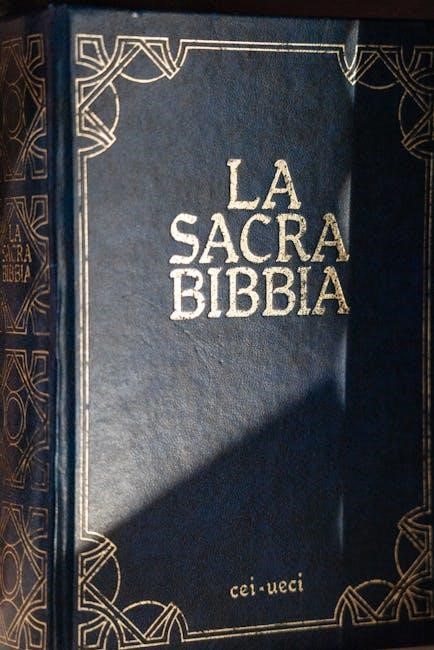
Choosing the right Bible translation is crucial for accurate study. Catholic translations prioritize fidelity to the original languages while considering the Church’s understanding of Scripture. Unlike some versions, they maintain the deuterocanonical books – those included in the Catholic biblical canon but absent in Protestant Bibles.
Understanding translation philosophies – word-for-word versus thought-for-thought – impacts readability and nuance. A more literal translation aids detailed analysis, while a dynamic equivalent prioritizes clarity. Exploring various options, like the New American Bible Revised Edition (NABRE), is key. A comprehensive guide will list numerous translations (51+), empowering informed selection for personal study and deeper comprehension.
A. Popular Catholic Bible Translations (List of 51+)
Navigating the landscape of Catholic Bible translations requires a comprehensive resource. Here’s a glimpse into the extensive list exceeding 51 options available to the diligent student. Popular choices include the New American Bible Revised Edition (NABRE), favored for liturgical use, and the Revised Standard Version Catholic Edition (RSV-CE), known for its literary quality.
Other notable translations are the Douay-Rheims Bible, a traditional favorite, and the New Jerusalem Bible. The list extends to include various language editions and specialized versions. Accessing a complete compilation allows for comparative study, enabling readers to discern the nuances of each translation and select the most suitable one for their needs.
B. Choosing the Right Translation for Study
Selecting the optimal Bible translation hinges on your study goals. For in-depth theological exploration, a literal translation like the New American Bible Revised Edition (NABRE) or Revised Standard Version Catholic Edition (RSV-CE) is beneficial. These prioritize accuracy, reflecting the original languages closely.

If readability is paramount, consider the New Jerusalem Bible, offering a balance between accuracy and accessibility. Personal preference also plays a role; some prefer the traditional language of the Douay-Rheims. Comparing passages across multiple translations illuminates subtle differences and enriches understanding. Ultimately, the “right” translation is the one that best facilitates your connection with God’s Word.
IV. Core Catholic Doctrines Supported by Scripture
Scripture profoundly supports foundational Catholic beliefs. Passages concerning the Eucharist (John 6:53-56) demonstrate Christ’s Real Presence. Biblical support for the Papacy resides in Matthew 16:18-19, with Peter as the “rock” upon which the Church is built. The veneration of Mary is rooted in Luke 1:28, the Annunciation, and Revelation 12:1.
Prayers for the deceased and Purgatory find basis in 2 Maccabees 12:46. The importance of good works alongside faith is highlighted in James 2:24. These scriptural foundations, utilized in Catholic apologetics, demonstrate the coherence between Revelation and Tradition.
A. Biblical Passages for Catholic Apologetics
Key scriptures bolster Catholic teachings for reasoned defense. Passages supporting the Eucharist include John 6:53-56, affirming Christ’s Real Presence. Matthew 16:18-19 provides scriptural grounding for the Papacy, identifying Peter as the foundational “rock.” Mary’s unique role is supported by Luke 1:28 (the Annunciation) and Revelation 12:1.
Prayers for the departed and the doctrine of Purgatory find support in 2 Maccabees 12:46. James 2:24 emphasizes the necessity of faith and works for justification. These verses, central to Catholic apologetics, offer robust scriptural arguments against opposing viewpoints, fostering deeper understanding.
B. The Role of Tradition and Scripture
Catholic faith views Scripture and Tradition as interconnected, not competing. Tradition, the “living transmission of the Gospel,” predates the New Testament, preserving revealed truth. Scripture is interpreted within this Tradition, guided by the Magisterium (teaching authority of the Church).
This isn’t rejecting Scripture, but recognizing its historical context and ensuring accurate understanding. 2 Thessalonians 2:15 urges holding to traditions “handed on.” Tradition clarifies ambiguities and safeguards against novel interpretations. Both sources illuminate God’s revelation, forming a unified whole for believers.
V. Utilizing PDF Study Guides: Advantages & Disadvantages
PDF Bible study guides offer convenient, portable access to in-depth Scriptural exploration. Advantages include cost-effectiveness, offline availability, and searchable text. Many Catholic resources are freely available online, fostering wider engagement with the Bible. However, disadvantages exist.
PDFs can lack interactive features found in some digital platforms; Ensuring the source’s theological soundness is crucial, as not all online materials are Catholic-approved. Print quality and readability can vary. While helpful, PDFs shouldn’t replace personal study, prayer, and community discussion for a holistic understanding.
VI; Finding Reliable Catholic Bible Study PDFs Online
Locating trustworthy Catholic Bible study PDFs requires discernment. Diocesan websites and reputable Catholic publishers often provide free resources. Explore resources from organizations dedicated to Catholic apologetics and theological education. Beware of sources lacking clear Catholic affiliation or promoting non-magisterial interpretations.
Verify the author’s credentials and the document’s imprimatur, if available. Cross-reference information with the Catechism of the Catholic Church. Utilize search terms like “Catholic Bible study PDF,” “Catholic Scripture study,” and specific biblical books. Prioritize resources aligned with the authoritative teaching of the Roman Catholic Church.
VII. One-Year Catechism Reading Plan
Integrating the Catechism with Scripture study profoundly enriches understanding. A one-year reading plan systematically covers the entirety of the Catechism of the Catholic Church. This approach breaks down the complex document into manageable daily readings, fostering consistent engagement with core Catholic doctrines.
Such plans often divide the Catechism into sections corresponding to the Creed, Sacraments, Moral Life, and Prayer. Daily readings should be paired with relevant Scripture passages, illuminating the biblical foundations of Catholic teaching. This method deepens faith and provides a robust framework for interpreting biblical texts within the Church’s tradition.
A. Daily Readings from the Catechism
Consistent, short daily readings are key to successfully completing a one-year Catechism plan. These readings should be concise, focusing on a specific paragraph or set of paragraphs. A structured approach, dividing the Catechism logically, ensures comprehensive coverage. For example, dedicating weeks to specific sections like the Creed or the Sacraments allows for deeper contemplation.
Utilizing a PDF version of the Catechism facilitates easy navigation and bookmarking of daily passages. Supplementing these readings with corresponding Scripture verses strengthens the connection between doctrine and biblical foundation. This disciplined practice cultivates a profound understanding of the Catholic faith.
B. Integrating Catechism with Scripture Study
The Catechism isn’t meant to be studied in isolation; it’s a roadmap to understanding Scripture. Each doctrine explained within the Catechism is rooted in biblical passages. Therefore, actively identifying these scriptural foundations during study is crucial. When encountering a Catechism paragraph, immediately seek the related verses it references.
Conversely, while studying a biblical text, consult the Catechism to understand the Church’s interpretation. This interplay reveals the rich tapestry of faith, demonstrating how Tradition illuminates Scripture and vice-versa. Using a PDF Catechism allows for quick cross-referencing, deepening comprehension and fostering a holistic faith journey.
VIII. Liturgical Year & Scripture Readings
The Catholic Church’s liturgical year provides a structured framework for Scripture study, mirroring the life of Christ. Utilizing the Lectionary – the collection of Scripture readings assigned to each Mass – offers a focused approach. A PDF Lectionary allows easy access to these readings, enabling preparation for Sunday Mass and deeper reflection throughout the week.
Studying Scripture within the context of the liturgical season (Advent, Lent, Easter) enhances understanding. Readings aren’t arbitrary; they’re intentionally chosen to illuminate the season’s themes. Following a liturgical calendar alongside your PDF study guide connects personal devotion to the communal worship of the Church.
A. Following the Lectionary (July-December Example)
A practical application involves examining the Lectionary readings from July to December. A PDF version facilitates easy navigation. For instance, July might feature readings from the Book of Exodus, focusing on God’s covenant with Israel. December’s readings prepare for Christmas, utilizing prophecies from Isaiah and the Gospels’ infancy narratives.
Using a Catholic Bible study PDF alongside the Lectionary allows for contextual exploration. Note how themes develop across weeks. Consider commentaries within the PDF to understand historical context and theological implications. This focused approach, guided by the Church’s liturgical calendar, deepens scriptural comprehension and spiritual growth.
B. Studying Scripture in the Context of the Liturgical Season

A Catholic Bible study PDF enhances understanding when aligned with the liturgical year. During Advent, focus on Old Testament prophecies of the Messiah, using the PDF to explore their fulfillment in the New Testament. Lent calls for reflection on Christ’s Passion, with PDFs offering insights into the Gospel accounts.
Easter’s joy is amplified by studying the Resurrection narratives. Ordinary Time provides opportunities for broader scriptural exploration. A PDF study guide can highlight connections between readings and the season’s themes, fostering a deeper appreciation for God’s revelation and the Church’s worship.

IX. Bible Study for Elementary Students (Grades 4-6)
A Catholic Bible study PDF tailored for grades 4-6 should be engaging and age-appropriate. Look for PDFs with colorful illustrations, simplified language, and interactive activities. Lessons focusing on key stories – Noah’s Ark, David and Goliath, the Good Samaritan – build foundational understanding.
PDFs with Bible Basics lessons and activities are ideal. Encourage students to identify main characters, explore themes of faith, and relate stories to their own lives. Utilizing a PDF allows for structured learning, reinforcing Catholic teachings and fostering a love for Scripture from a young age.

X. Biblical Text Analysis Template
A comprehensive Catholic Bible study PDF should include a text analysis template to deepen understanding. This template facilitates a structured approach to Scripture, beginning with the scriptural reference and a concise overview of the passage’s literal meaning.
Key sections should focus on identifying main characters and their roles, alongside discerning the central themes presented. Consider adding space for personal reflections, connections to Catholic doctrine, and potential applications to daily life. A well-designed PDF template empowers students to actively engage with the text, fostering critical thinking and spiritual growth.
A. Scriptural Reference & Overview
Within a Catholic Bible study PDF, the foundational step is meticulously noting the scriptural reference – book, chapter, and verses. Following this, a concise overview of the passage’s literal meaning is crucial. This section should summarize the narrative or argument presented in the text, avoiding immediate interpretation.
Focus on what the text says, not yet what it means. A good PDF guide will prompt users to identify the context – who is speaking, to whom, and where? This establishes a solid base for deeper analysis, ensuring a faithful and informed understanding of God’s Word.
B. Identifying Main Characters & Themes
A robust Catholic Bible study PDF will guide users to pinpoint the main characters within a passage. This isn’t merely listing names, but understanding their roles and motivations. Consider their relationship to God, to each other, and to the unfolding narrative.
Simultaneously, identifying overarching themes is vital. Are there recurring ideas about love, forgiveness, justice, or redemption? Recognizing these themes reveals the passage’s central message and its relevance to Catholic doctrine. A quality PDF will encourage thoughtful reflection on how these characters and themes illuminate God’s plan for salvation.
XI. The Catholic Context of Biblical Texts
A comprehensive Catholic Bible study PDF emphasizes interpreting Scripture within the Church’s Tradition. This means recognizing that the Bible didn’t originate in a vacuum, but within a specific historical and cultural milieu.
Studies, like those examining Cervantes’ work, demonstrate how Catholic interpretation enriches understanding. Examining the historical background—political, social, and religious—illuminates the text’s original meaning. A PDF guide should encourage readers to consider how the Church’s Magisterium informs our reading, ensuring alignment with revealed truth and avoiding subjective interpretations. This contextual approach deepens faith and avoids potential errors.
A. Cervantes and Catholic Interpretation
Analyzing Cervantes’ final novel through a Catholic lens reveals profound insights into Scriptural understanding. Research demonstrates how specific textual passages resonate with Catholic doctrine and worldview. A quality Catholic Bible study PDF should inspire similar textual analysis.
This approach isn’t merely literary; it’s theological. Cervantes’ work, when examined with Catholic principles, unveils layers of meaning often missed by other interpretations. The study highlights the importance of recognizing the author’s faith and the cultural context. Applying this method to Biblical texts allows for a richer, more nuanced comprehension, grounded in Tradition and Magisterial teaching.
B. Historical and Cultural Background
A robust Catholic Bible study PDF emphasizes understanding the historical and cultural context of Scripture. Ignoring this background risks misinterpreting the text’s original intent. The world of Jesus and the early Church was vastly different from our own, influencing language, customs, and beliefs.
Effective study necessitates researching the political climate, social structures, and religious practices of the time. A quality PDF guide will provide resources for this exploration. Recognizing these factors illuminates the meaning behind parables, prophecies, and even seemingly simple narratives, fostering a deeper appreciation for God’s revelation within its original setting.
XII. Online Banking & Financial Security (PekaoBiznes24 & iPKO)
While seemingly unrelated to biblical study, responsible financial management reflects Gospel values of stewardship. Platforms like PekaoBiznes24 and iPKO offer secure online banking, enabling efficient financial oversight. These systems provide convenient access to accounts and online transactions, regardless of location or time.
Prioritizing financial security is crucial. Both platforms emphasize robust security features to protect funds. Understanding these safeguards – and utilizing them diligently – demonstrates prudence. This allows individuals and organizations to focus on spiritual pursuits, confident in their financial well-being, aligning with a holistic approach to life.
XIII. Accessing Online Banking Services
Just as diligent study unlocks Scriptural understanding, accessing online banking requires straightforward procedures. PekaoBiznes24 provides a user-friendly interface for businesses, granting full access to company accounts and online financial operations. iPKO, PKO Bank Polski’s transactional service, offers quick access to personal accounts 24/7, directly from your home.
Logging in to these platforms provides immediate control over finances. Both systems prioritize accessibility, allowing users to conduct transactions and manage financial dispositions conveniently. This ease of access, coupled with robust security, empowers individuals to manage resources effectively, freeing time for spiritual enrichment and study.
XIV. Security Features of Online Banking Platforms
Similar to safeguarding sacred texts, robust security protects online financial transactions. PekaoBiznes24 and iPKO prioritize the security of your finances, employing advanced measures to prevent unauthorized access. These platforms guarantee a high level of security, mirroring the Church’s commitment to protecting its teachings.
Features include secure login protocols, encryption of data transmission, and continuous monitoring for fraudulent activity. Just as careful exegesis reveals deeper meaning, these security layers protect against financial risks. This dedication to security allows users to confidently manage their finances, fostering peace of mind and enabling focus on spiritual pursuits.
XV. Changes to Banking Tariffs (Effective December 1, 2025)
Just as understanding evolving doctrines requires diligent study, staying informed about financial changes is crucial. Effective December 1, 2025, PekaoBank Polski will implement changes to its banking tariffs. These adjustments, similar to updates in biblical scholarship, necessitate awareness for continued effective financial management.

Users of PekaoBiznes24 and iPKO should review the updated tariff schedule to understand any potential impact on their accounts. Transparency, mirroring the Church’s call for honesty, is paramount. Proactive awareness allows for informed financial planning, ensuring resources are allocated wisely, supporting both earthly and spiritual needs.

XVI. Mathematical Methods in Biblical Study
While faith transcends numerical analysis, applying mathematical methods can illuminate biblical patterns, much like a well-structured study guide enhances understanding. The text suggests studying confrontations using mathematical approaches, revealing underlying structures within narratives.
This isn’t about quantifying faith, but recognizing recurring themes, numerical symbolism, or statistical distributions within Scripture. Such analysis, akin to carefully dissecting a PDF study guide, can offer fresh perspectives. It complements traditional hermeneutics, providing another layer of insight. This rigorous approach, though not essential, can deepen appreciation for the Bible’s complexity.
XVII. Confrontation and Biblical Concepts
Biblical narratives frequently feature confrontations – pivotal moments revealing character and theological truths, much like a focused study guide highlights key passages. The provided text notes that many actions during confrontations align with established biblical concepts.
Analyzing these encounters, whether between individuals or ideologies, unveils core themes of sin, redemption, and God’s justice. A Catholic Bible study guide aids in understanding these dynamics within the broader context of Church teaching. Recognizing these patterns, similar to systematically working through a PDF resource, deepens comprehension. These confrontations aren’t merely historical events; they’re archetypes reflecting the ongoing spiritual battle.
XVIII. The Importance of Prayer in Bible Study
A Catholic Bible study guide isn’t simply an intellectual exercise; it’s a spiritual encounter best approached with prayerful discernment. Engaging Scripture without prayer risks reducing it to mere historical or literary analysis, missing its divine inspiration.
Prayer prepares the heart to receive God’s Word, illuminating its meaning and application to one’s life. Utilizing a PDF study guide becomes more fruitful when coupled with petitions for understanding and guidance. This practice aligns with the Catholic tradition of lectio divina – a slow, meditative reading of Scripture. Prayerful study fosters a deeper relationship with God, transforming knowledge into wisdom and faith.
XIX. Group Bible Study Dynamics
Employing a Catholic Bible study guide within a group setting amplifies the learning experience, fostering community and diverse perspectives. Shared exploration of Scripture, facilitated by a PDF resource, encourages richer interpretations and mutual support.
Effective group dynamics require respectful listening, open dialogue, and a commitment to the Magisterium. A designated leader can guide discussion, ensuring focus and inclusivity. Utilizing the guide’s structure promotes organized analysis, while individual preparation enhances participation. Group study, rooted in faith and guided by a PDF, deepens understanding and strengthens bonds within the Catholic community.
XX. Individual Bible Study Techniques
A Catholic Bible study guide PDF empowers personal encounters with Scripture, fostering a deeper relationship with God. Consistent, focused study, utilizing a chosen translation, is paramount. Employ techniques like lectio divina – reading, meditating, praying, and contemplating – to unlock the text’s spiritual richness.
Annotation, journaling, and cross-referencing with the Catechism enhance comprehension. A PDF guide provides structure, while individual reflection allows for personalized application. Regular prayer before, during, and after study invites the Holy Spirit’s guidance. This disciplined approach, supported by a PDF resource, cultivates a lifelong habit of scriptural engagement.
XXI. Common Challenges in Catholic Bible Study
Utilizing a Catholic Bible study guide PDF doesn’t eliminate hurdles. One challenge is navigating diverse translations; selecting a faithful rendition is crucial. Another is separating personal interpretation from the Church’s Magisterium. Some struggle with historical context, impacting understanding.
Distractions and maintaining consistency pose difficulties. A PDF guide aids structure, but discipline remains essential. Misinterpreting passages without considering Tradition is a risk. Overcoming these requires humility, prayer, and reliance on reliable resources. A well-chosen PDF, alongside diligent study, mitigates these challenges, fostering a more fruitful experience.
XXII. Resources for Further Study
Expanding beyond a Catholic Bible study guide PDF requires diverse resources. The Catechism of the Catholic Church provides doctrinal context. Websites like the USCCB offer official translations and study materials. Ignatius Press and Ave Maria Press publish excellent commentaries and guides.
Consider exploring online platforms offering courses and lectures from Catholic theologians. Catholic Answers provides apologetic resources. Don’t overlook the writings of Church Fathers for historical perspective. Utilizing a variety of sources—including print books, online articles, and scholarly journals—deepens understanding and enriches your faith journey.
XXIII. Conclusion: Deepening Your Faith Through Scripture
Consistent engagement with Scripture, aided by a Catholic Bible study guide PDF, fosters a profound relationship with God. Integrating study with prayer and the liturgical year unlocks deeper meaning. Remember the importance of Tradition alongside Scripture, guided by the Magisterium.
Embrace the challenges and celebrate the insights gained. Utilizing resources like the Catechism and commentaries enriches understanding. A commitment to regular study, whether individually or in a group, cultivates spiritual growth and strengthens faith. May your journey with the Word be transformative and lead you closer to Christ.