
Battery Tender Instruction Manual: A Comprehensive Guide
Unlocking the full potential of your Battery Tender requires a deep dive into its features‚ ensuring optimal battery health and longevity through careful application.
Battery tenders represent a crucial advancement in battery maintenance technology‚ offering a smart and efficient solution for keeping batteries in peak condition. Unlike traditional battery chargers that deliver a high current to quickly replenish a depleted battery‚ tenders provide a low‚ consistent charge designed for long-term maintenance.
This approach prevents sulfation – a common cause of battery failure – and ensures your battery is always ready when you need it; They are invaluable for seasonal vehicles‚ classic cars‚ motorcycles‚ boats‚ and any battery-powered equipment stored for extended periods. Understanding the nuances of battery tender operation‚ as detailed in this manual‚ will empower you to maximize battery lifespan and avoid unexpected downtime. This guide provides insights into features and functionality.

What is a Battery Tender?
A Battery Tender is a specialized battery charger designed to maintain a battery’s charge over extended periods‚ rather than rapidly recharging a deeply discharged battery. It’s a smart charger‚ meaning it intelligently monitors the battery’s voltage and adjusts the charging current accordingly. This prevents overcharging‚ a common issue with conventional chargers that can damage the battery.
Essentially‚ it provides a ‘trickle’ charge‚ replenishing the energy lost due to self-discharge. This is particularly useful for batteries in vehicles or equipment that are not used frequently. The device actively combats sulfation‚ extending the battery’s overall lifespan. It’s a proactive approach to battery care‚ ensuring optimal performance and reliability when you need it most‚ unlocking hidden potential.
Why Use a Battery Tender?
Utilizing a Battery Tender offers significant advantages for battery health and longevity‚ especially for infrequently used vehicles or equipment. Batteries naturally self-discharge over time‚ and a tender counteracts this‚ preventing a damagingly low voltage. This is crucial as deep discharge significantly shortens a battery’s lifespan.
Furthermore‚ a Battery Tender actively combats sulfation – the build-up of lead sulfate crystals that impede battery performance. Maintaining a full charge minimizes sulfation‚ ensuring optimal cranking power and extending the battery’s usable life. It’s a cost-effective solution‚ preventing premature battery replacement and providing peace of mind‚ unlocking hidden potential and reliability.

Understanding Battery Types & Compatibility
Selecting the correct Battery Tender hinges on understanding your battery’s chemistry – lead-acid‚ AGM‚ gel‚ or lithium-ion – to ensure safe and effective charging.
Lead-Acid Batteries (Flooded‚ AGM‚ Gel)
Lead-acid batteries are the most common type found in vehicles‚ motorcycles‚ and various applications‚ and Battery Tenders are exceptionally well-suited for their maintenance. Flooded lead-acid batteries‚ the traditional type‚ require periodic water level checks‚ while Absorbed Glass Mat (AGM) and Gel batteries are sealed and maintenance-free.
Battery Tenders effectively charge all three variations‚ but it’s crucial to select a Tender with a compatible charging profile. Most modern Tenders automatically detect the battery type‚ but verifying compatibility is always recommended. Proper charging prevents sulfation‚ a buildup of lead sulfate crystals that reduces battery capacity and lifespan. A slow‚ controlled charge‚ as provided by a Battery Tender‚ reverses sulfation and restores battery health. Regular maintenance with a Tender ensures these batteries remain reliable and perform optimally‚ extending their service life considerably.
Lithium-Ion Batteries – Compatibility Considerations
Lithium-ion batteries are increasingly popular due to their high energy density and lightweight nature‚ often found in powersports‚ electric vehicles‚ and portable devices. However‚ not all Battery Tenders are compatible with these batteries; using an incompatible Tender can cause damage or even pose a safety risk.
It’s vital to use a Battery Tender specifically designed for lithium-ion batteries‚ featuring a charging profile tailored to their unique voltage and charging requirements. These Tenders typically employ a Constant Current/Constant Voltage (CC/CV) charging algorithm. Never use a standard lead-acid Tender on a lithium-ion battery unless the Tender explicitly states it has a lithium-ion charging mode. Always consult the battery manufacturer’s specifications and the Tender’s manual to confirm compatibility before connecting. Incorrect charging can void warranties and compromise battery safety.
Voltage & Ampere-Hour (Ah) Ratings – Matching to Your Tender
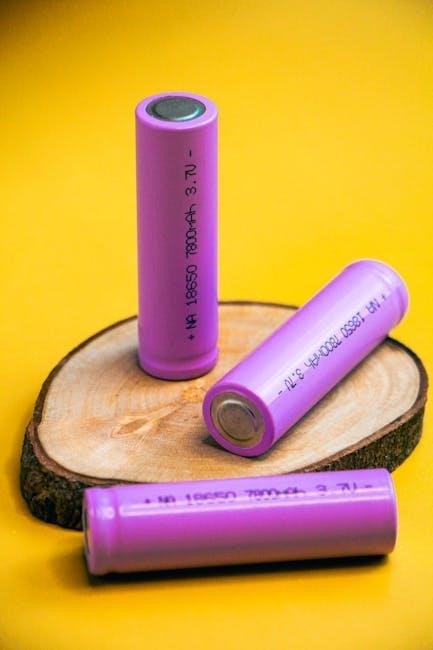
Selecting the correct Battery Tender hinges on understanding your battery’s voltage and Ampere-hour (Ah) rating. Most motorcycle and automotive batteries are 12V‚ requiring a 12V Tender. Always verify the voltage matches before connecting. The Ah rating indicates the battery’s capacity; a higher Ah means a larger capacity.
While a Tender can maintain batteries of various Ah ratings‚ it’s generally recommended to choose a Tender with an output current (amps) roughly 1/10th to 1/20th of the battery’s Ah rating. For example‚ a 20Ah battery benefits from a 1-2 amp Tender. Using a Tender with too high an output can lead to overcharging‚ while too low an output results in excessively long charging times. Refer to your Tender’s specifications for its compatible Ah range.
Setting Up Your Battery Tender
Proper setup is crucial for safe and effective charging; carefully connect the Tender to your battery‚ prioritizing correct polarity and secure connections.
Connecting to the Battery – Positive & Negative Terminals
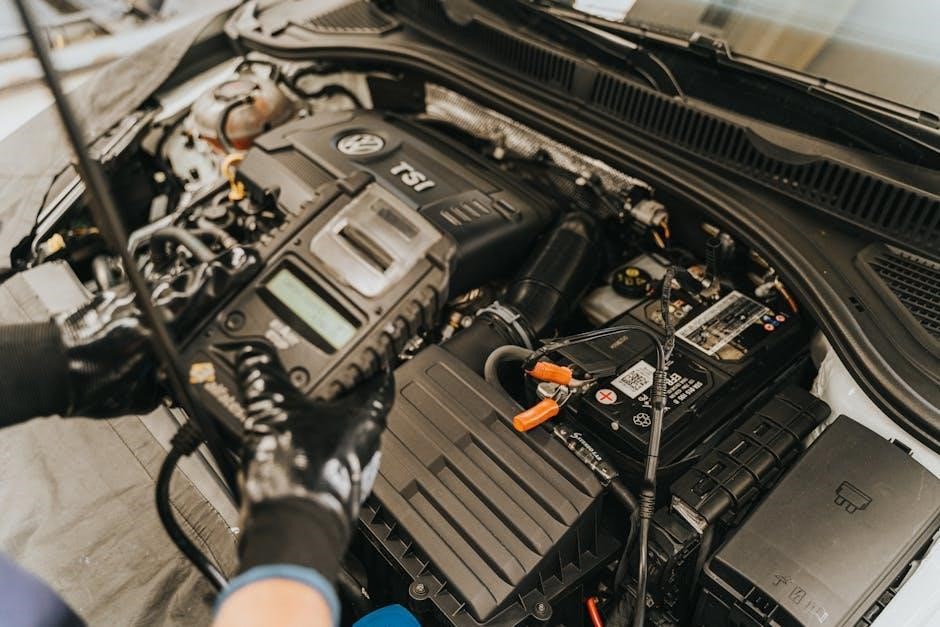
Establishing a secure connection to your battery is paramount for successful charging. Always begin by identifying the positive (+) and negative (-) terminals on both the Battery Tender and the battery itself. Typically‚ the positive terminal is red‚ and the negative is black‚ but always double-check for markings.
Connect the red (positive) clamp from the Battery Tender to the positive terminal of the battery‚ ensuring a firm grip. Then‚ connect the black (negative) clamp to the negative terminal. A loose connection can lead to inefficient charging or‚ in rare cases‚ sparking.
Important: Never allow the clamps to touch each other while connected to the battery‚ as this will create a short circuit. If you are unsure about the polarity‚ consult a qualified technician before proceeding. A reversed connection can damage both the Battery Tender and the battery.
Proper Cable Routing & Safety Precautions
Ensuring safe cable routing is crucial to prevent damage and maintain a secure charging process. Avoid running the cables across sharp edges‚ hot surfaces‚ or areas where they could be stepped on or pinched. Secure the cables to prevent accidental disconnection during charging.
Keep the Battery Tender and battery cables away from flammable materials‚ such as gasoline or solvents. Never operate the Battery Tender in a confined space without adequate ventilation‚ as charging batteries can release explosive gases.
Always disconnect the Battery Tender from the AC power source before connecting or disconnecting the battery clamps. Inspect the cables regularly for any signs of damage‚ such as cracks or fraying‚ and replace them if necessary. Prioritize safety to avoid potential hazards.
Initial Charging Cycle – What to Expect
The first charging cycle with your Battery Tender may take longer than subsequent charges‚ especially if the battery is deeply discharged. Initially‚ the tender will enter a bulk charging phase‚ delivering maximum current to restore the battery’s capacity. You’ll likely see the charging indicator illuminate‚ signifying active charging.
As the battery reaches approximately 80% charge‚ the tender will transition to an absorption phase‚ gradually reducing the current to prevent overcharging. Finally‚ it will enter float mode‚ maintaining the battery at its optimal voltage.
Monitor the charging indicator lights; a steady green light typically indicates a fully charged battery. Don’t be alarmed by slight temperature increases during charging – this is normal.
Using the Battery Tender Features
Mastering the automatic charging modes unlocks peak performance‚ ensuring your battery remains optimally conditioned for reliable power and extended lifespan consistently.
Automatic Charging Modes Explained
Battery Tenders utilize sophisticated‚ multi-stage charging algorithms designed to cater to the specific needs of various battery types. The initial stage‚ often termed ‘Bulk‚’ delivers maximum current to rapidly recharge the battery from a deeply discharged state. As the battery approaches full capacity‚ the Tender transitions to the ‘Absorption’ phase‚ maintaining constant voltage while gradually reducing current.
This ensures complete saturation without overcharging. Following absorption‚ the unit enters ‘Float’ mode‚ a maintenance phase where a lower voltage is applied to compensate for self-discharge‚ keeping the battery at 100% readiness. Some advanced tenders incorporate a ‘Desulfation’ mode‚ attempting to reverse the buildup of lead sulfate crystals on the plates‚ potentially restoring capacity in neglected batteries. Understanding these modes allows for optimized charging and prolonged battery life‚ adapting to the battery’s current condition for peak performance.
Float Mode – Maintaining Optimal Charge
Once a battery reaches full charge‚ the Battery Tender seamlessly transitions into Float Mode‚ a crucial stage for long-term battery health. Unlike continuous charging at a high voltage‚ Float Mode maintains a stable‚ lower voltage – typically around 13.2-13.8 volts – just high enough to counteract the natural self-discharge rate of the battery;
This prevents overcharging‚ which can lead to gassing‚ corrosion‚ and reduced lifespan. In Float Mode‚ the Tender periodically ‘tops off’ the battery‚ ensuring it remains at 100% state of charge without the damaging effects of constant current. This is ideal for batteries used seasonally or stored for extended periods‚ guaranteeing immediate readiness when needed. Consistent use of Float Mode significantly extends battery life and maximizes performance.
Temperature Compensation – Adapting to Climate

Battery performance is significantly affected by temperature‚ and advanced Battery Tenders incorporate temperature compensation to optimize charging in varying climates. Colder temperatures reduce battery capacity and slow down chemical reactions‚ requiring a slightly higher charging voltage. Conversely‚ warmer temperatures increase battery capacity but also accelerate degradation if overcharged.
Temperature compensation adjusts the charging voltage based on ambient temperature‚ ensuring the battery receives the correct charge regardless of external conditions. Some models utilize a temperature sensor connected to the battery‚ while others estimate temperature based on voltage. This feature prevents undercharging in cold weather and overcharging in hot weather‚ maximizing battery life and maintaining optimal performance year-round. Utilizing this feature is crucial for batteries stored outdoors.

Troubleshooting Common Issues
Addressing typical problems with your Battery Tender ensures consistent performance and extends battery life‚ offering solutions for charging difficulties and error messages.
Battery Tender Not Recognizing Battery
If your Battery Tender fails to initiate charging‚ several factors could be at play. First‚ meticulously verify the connections to both the positive and negative terminals of the battery; ensure they are clean‚ secure‚ and free from corrosion. A loose connection is a frequent culprit.
Next‚ confirm the battery’s voltage – a deeply discharged or completely dead battery might not register initially. Try a different battery‚ if possible‚ to isolate whether the issue lies with the battery itself or the tender. Inspect the tender’s fuse; a blown fuse will prevent operation.
Also‚ consider the battery type setting on the tender. Ensure it’s correctly configured for your battery’s chemistry (Lead-Acid‚ AGM‚ Gel‚ or Lithium). Finally‚ a damaged or faulty battery tender could be the root cause‚ necessitating a replacement or repair.
Slow Charging or No Charging Indication
Experiencing sluggish charging or a complete lack of indication from your Battery Tender warrants investigation. Begin by re-checking the cable connections – even seemingly secure connections can impede current flow. A corroded or damaged cable can significantly reduce charging efficiency.
Assess the battery’s condition; an older or severely sulfated battery may accept charge very slowly‚ or not at all. Confirm the Battery Tender’s output voltage matches the battery’s requirements. Ensure the tender isn’t simultaneously powering other devices‚ which could strain its capacity.
If the issue persists‚ test the battery with a multimeter to verify its voltage and state of charge. A failing battery may require replacement. Finally‚ a malfunctioning Battery Tender itself could be the problem‚ requiring professional assessment or replacement.
Error Codes & Their Meanings
Your Battery Tender utilizes error codes to communicate potential issues‚ enabling swift troubleshooting. A flashing red light often indicates a reversed polarity connection – immediately disconnect and rectify the positive and negative terminal connections. A solid red light may signal a battery that won’t accept a charge‚ potentially due to sulfation or internal damage.
Certain models display numerical error codes. Consult your specific model’s manual for a comprehensive list. Common codes relate to over-voltage‚ under-voltage‚ or temperature extremes. Ignoring error codes can lead to battery damage or even safety hazards.
Documenting the error code before attempting any fixes is crucial for accurate diagnosis. If the error persists after addressing the likely cause‚ contact customer support for further assistance.

Safety Guidelines & Precautions
Prioritize safety during operation; ensure adequate ventilation‚ avoid sparks‚ and disconnect the tender before any maintenance to prevent potential hazards and ensure longevity.
Ventilation Requirements During Charging
Lead-acid batteries‚ during the charging process‚ release hydrogen gas‚ which is highly flammable and potentially explosive. Therefore‚ adequate ventilation is absolutely crucial when using a battery tender. Always charge batteries in a well-ventilated area‚ preferably outdoors‚ or in a garage with open windows and doors. Avoid charging in enclosed spaces like a sealed shed or a vehicle’s trunk.
Ensure there are no open flames‚ sparks‚ or smoking materials nearby. The Battery Tender itself should not be submerged in water or exposed to excessive moisture. Proper airflow dissipates the hydrogen gas‚ minimizing the risk of ignition. Regularly inspect the charging area for any obstructions that might impede ventilation. Following these guidelines will significantly enhance safety and prevent potential accidents during battery maintenance.
Avoiding Sparks & Short Circuits
Sparks and short circuits pose a significant hazard when working with batteries and battery tenders. Always connect the positive (red) clamp to the positive terminal of the battery before connecting the negative (black) clamp. Disconnect in the reverse order – negative first‚ then positive. This minimizes the risk of accidental shorting.
Ensure the clamps are securely attached to the battery terminals and do not accidentally touch each other or any metallic surfaces. Inspect the tender’s cables for any damage‚ such as frayed wires or cracked insulation‚ and replace them if necessary. Avoid dropping tools onto the battery or around the charging area. A dedicated‚ insulated toolset is recommended. Prioritizing these precautions will safeguard against potential fires or battery explosions‚ ensuring a safe charging experience.
Long-Term Storage Considerations
When storing a battery for extended periods‚ a Battery Tender is invaluable for preventing sulfation and maintaining optimal charge levels. Disconnect the battery from any loads and fully charge it before storage. Connect the Battery Tender and allow it to cycle into float mode‚ which provides a low‚ continuous charge to counteract self-discharge.
Check the battery’s voltage periodically‚ ideally every few months‚ to ensure the tender is functioning correctly. Store the battery in a cool‚ dry place‚ away from direct sunlight and extreme temperatures. Avoid storing batteries fully discharged‚ as this can lead to irreversible damage. Following these guidelines will maximize battery lifespan and ensure it’s ready for use when needed‚ even after prolonged inactivity.

Advanced Features & Accessories
Explore expanded capabilities with remote monitoring‚ specialized cables‚ and models boasting integrated USB ports for convenient device charging during battery maintenance.
Remote Monitoring Options
Enhance your control and awareness with Battery Tender’s remote monitoring capabilities. Several models now integrate with smartphone applications via Bluetooth‚ providing real-time charging status updates directly to your device. This allows you to check battery voltage‚ current charge rate‚ and overall health from anywhere with a connection.
Some systems offer customizable alerts‚ notifying you of critical events like a full charge‚ low voltage‚ or potential battery issues. Wired remote displays are also available‚ offering a dedicated screen for monitoring key parameters without needing a smartphone. These displays often mount conveniently on dashboards or nearby surfaces.
Consider the range and features offered by each remote monitoring solution to determine the best fit for your needs‚ whether it’s simple status checks or comprehensive data logging and alerts.
Extension Cables & Connectors
Expanding the reach of your Battery Tender is often necessary‚ and utilizing extension cables and connectors requires careful consideration. Always opt for heavy-duty cables specifically designed for battery charging applications‚ ensuring they can handle the required amperage without overheating or voltage drop. Avoid standard extension cords‚ as they are typically not rated for this purpose.
Quick-connect connectors simplify battery attachment and detachment‚ particularly useful for vehicles with hard-to-reach batteries. When using connectors‚ ensure a secure and corrosion-free connection. Regularly inspect connectors for damage or wear.
Proper cable gauge is crucial; longer runs necessitate thicker cables to minimize voltage loss. Refer to the Battery Tender’s documentation for recommended cable specifications based on length and amperage.
Battery Tender with USB Ports – Functionality
Modern Battery Tenders often include integrated USB ports‚ offering a convenient way to charge mobile devices‚ cameras‚ or other small electronics while your battery is being maintained. These USB ports typically deliver a standard 5V output‚ suitable for most USB-powered gadgets.
However‚ it’s crucial to understand that the USB port’s power is drawn from the same circuit as the battery charging process. Excessive USB device draw could slightly impact the charging speed of the battery‚ though this is usually negligible.
Avoid connecting high-power devices to the USB port‚ as this may overload the circuit. The USB functionality is intended for supplemental charging‚ not as a primary power source for demanding devices.