NJ Marriage License Application Form: A Comprehensive Guide
Navigating the process of obtaining a New Jersey marriage license requires careful attention to detail․ This guide provides a thorough overview‚ ensuring a smooth experience for hopeful couples‚ detailing requirements and procedures․
Eligibility Requirements for a NJ Marriage License
To be eligible for a New Jersey marriage license‚ both applicants must be at least 18 years of age․ Individuals aged 16 or 17 require parental consent and judicial approval‚ a process adding complexity to the application․ New Jersey law prohibits marriages between close relatives‚ specifically including parents‚ grandparents‚ children‚ grandchildren‚ siblings‚ aunts‚ uncles‚ nieces‚ and nephews․
Applicants must be legally capable of entering into a contract‚ meaning they cannot be currently married to another person․ Previous marriages must be legally dissolved through divorce or annulment before applying for a new license․ Proof of legal termination of prior marriages is a crucial component of the required documentation․
Furthermore‚ both individuals must be able to understand the nature of the marriage contract and freely consent to the union․ There are no residency requirements dictating where applicants must live to apply‚ offering flexibility for those outside of New Jersey․ The state recognizes both heterosexual and same-sex marriages equally‚ ensuring inclusivity in the application process․
Residency Requirements: Where to Apply
New Jersey offers considerable flexibility regarding residency requirements for marriage license applications․ Couples do not need to be residents of New Jersey to obtain a license and marry within the state․ However‚ the application process depends on the residency status of both applicants․
If either applicant resides in New Jersey‚ the application must be filed in the municipality where either of them lives․ This simplifies the process for couples with at least one New Jersey resident․ The license is then valid for use anywhere within New Jersey‚ regardless of where the ceremony takes place․
Conversely‚ if neither applicant is a New Jersey resident‚ they must apply in the municipality where the marriage ceremony will be held; This requires pre-planning to determine the specific town or city where the wedding will occur․ It’s crucial to contact the local registrar’s office in that municipality to confirm their specific application procedures and hours of operation․
Required Documentation for Application
Successfully applying for a New Jersey marriage license necessitates presenting specific documentation to verify identity and eligibility․ Both applicants must appear in person at the registrar’s office‚ and bringing the correct paperwork is crucial to avoid delays․
Generally‚ applicants will need to provide proof of identity‚ which can include a valid driver’s license‚ passport‚ or other government-issued photo identification․ Furthermore‚ certified copies of birth certificates are typically required․ If either applicant has been previously married‚ they must present original or certified copies of divorce decrees or death certificates demonstrating the termination of all prior marriages․
It’s important to note that specific requirements can vary slightly between municipalities․ Therefore‚ contacting the local registrar’s office beforehand to confirm their exact documentation checklist is highly recommended․ Some offices may also request proof of address‚ such as a utility bill or lease agreement․
Identification Accepted for NJ Marriage License
Presenting valid and acceptable identification is a fundamental step in the New Jersey marriage license application process․ The state requires positive proof of identity for both applicants to ensure the legitimacy of the marriage․
The most commonly accepted forms of identification include a current‚ government-issued photo driver’s license․ Alternatively‚ a valid passport – whether U․S․ or from another country – is universally recognized․ State-issued identification cards are also generally accepted‚ provided they feature a photograph․ For individuals without these standard forms‚ other government-issued photo IDs‚ such as a military ID‚ may be considered․
It’s crucial that the identification presented is current and has not expired․ Photocopies are typically not accepted; original documents are required․ If an applicant has legally changed their name‚ documentation reflecting this change (e․g․‚ a court order or marriage certificate from a previous marriage) must also be provided alongside their photo ID․
The NJ Marriage License Application Form: Overview

The New Jersey marriage license application is a multi-section document designed to gather essential information from both applicants․ It’s crucial to approach the form with accuracy and completeness to avoid delays or rejection․
The application requires detailed personal information‚ including full legal names‚ dates and places of birth‚ current addresses‚ and Social Security numbers (though providing the Social Security number is not always mandatory‚ it is strongly encouraged)․ Applicants will also need to disclose their parents’ full names‚ including mothers’ maiden names‚ and places of birth․
A significant portion of the form is dedicated to previous marriage history․ If either applicant has been previously married‚ divorced‚ or widowed‚ they must provide details regarding the prior marriage(s)‚ including dates‚ locations‚ and how the marriage ended․
The application concludes with a sworn statement attesting to the truthfulness of the provided information‚ requiring both applicants to sign under oath in the presence of the issuing authority․
Completing Section 1: Applicant Information
Section 1 of the NJ marriage license application focuses entirely on gathering personal details for both individuals intending to marry․ Accuracy is paramount in this section‚ as any discrepancies can lead to processing delays․
You’ll begin by providing your full legal name – ensure it matches your government-issued identification precisely․ Next‚ you’ll input your date and place of birth‚ including the city‚ state‚ and country․ Your current residential address must be complete and accurate‚ as this is used for official correspondence․
The application also requests your Social Security number‚ although providing it isn’t always legally required‚ it’s highly recommended for efficient processing․ You’ll also state your race/ethnicity and highest level of education completed․
Finally‚ this section asks for your phone number and email address for contact purposes․ Double-check all entries before proceeding‚ as errors can cause complications․ Remember to complete this section for both applicants․
Completing Section 2: Parental Information
Section 2 of the New Jersey marriage license application requires detailed information about your parents․ This section is crucial for establishing lineage and ensuring the validity of the marriage license‚ demanding careful and accurate completion․
For each applicant‚ you must provide your mother’s full maiden name (her name before marriage)‚ her place of birth (city‚ state/province‚ and country)‚ and her date of birth․ The same information is requested for your father – his full name‚ place of birth‚ and date of birth․
If a parent is deceased‚ clearly indicate this․ If a parent’s information is unknown‚ you may indicate “Unknown‚” but providing as much detail as possible is always preferable․ This section applies to both biological and adoptive parents․
Accuracy is vital; discrepancies can cause delays in processing your application․ Ensure the information provided matches official records whenever possible․ Completing this section thoroughly for both applicants is essential for a smooth application process․
Completing Section 3: Previous Marriages (If Applicable)
Section 3 of the New Jersey marriage license application addresses any prior marriages either applicant may have experienced․ This section is critically important and requires precise details to ensure legal compliance and avoid potential complications․
If you have been previously married‚ divorced‚ or widowed‚ you must disclose this information․ For each previous marriage‚ you’ll need to provide the former spouse’s full name‚ the date the marriage ended (month‚ day‚ and year)‚ and the state or country where the divorce or death occurred․
The manner in which the previous marriage ended – whether by divorce‚ annulment‚ or death – must be clearly stated․ Providing copies of divorce decrees or death certificates is often required as supporting documentation‚ so have these readily available․
Failure to accurately report previous marital status can lead to legal issues․ Honesty and completeness are paramount in this section․ If you’ve never been married‚ simply indicate “None” – but still complete the section header to confirm this․
The 72-Hour Waiting Period Explained
New Jersey law mandates a 72-hour waiting period between the application for a marriage license and its issuance․ This means that even if you submit all required documentation and fees‚ you won’t receive your license immediately; a minimum of three full days must pass․
This waiting period begins when the application is officially filed with the local registrar․ It’s designed to allow applicants time to reconsider their decision‚ though it doesn’t require any specific action during this timeframe․ Planning your wedding date accordingly is crucial to avoid last-minute stress․
The 72-hour rule applies regardless of residency status․ Both New Jersey residents and non-residents are subject to this waiting period․ It’s a firm requirement‚ and waivers are generally not granted․
Therefore‚ it’s highly recommended to apply for your marriage license well in advance of your intended wedding date‚ factoring in this mandatory waiting period to ensure a seamless process․ Don’t underestimate this timeframe!
Marriage License Fees and Accepted Payment Methods
The cost of a New Jersey marriage license is currently $28․ This fee is standard across all municipalities within the state‚ ensuring consistent pricing for all applicants‚ regardless of location․ It’s important to confirm this amount with the specific registrar’s office‚ as fees are subject to change‚ though typically remain stable․
Regarding accepted payment methods‚ most New Jersey municipalities offer a variety of options for your convenience․ Cash is universally accepted‚ providing a straightforward payment solution․ Many offices also accept money orders‚ offering a secure alternative to cash․
Increasingly‚ registrars are accepting credit and debit card payments‚ though some may impose a small processing fee for card transactions․ Personal checks are generally not accepted due to processing times and potential for insufficient funds․
It’s always best to verify the specific payment methods accepted by the registrar’s office where you plan to apply‚ to avoid any delays or complications during the application process․ Prepare accordingly!
Validity of the Marriage License in New Jersey
A New Jersey marriage license is valid for 60 days from the date of issuance․ This timeframe provides couples with ample opportunity to schedule and perform their wedding ceremony without feeling rushed․ It’s crucial to remember this expiration date to avoid the need to reapply and repeat the application process․
The license is valid for use anywhere within the state of New Jersey․ This means you are not restricted to marrying in the municipality where the license was obtained; you have the freedom to choose any location within New Jersey’s borders for your ceremony․
However‚ once the 60-day validity period expires‚ the license becomes void and unusable․ If you do not utilize the license within this timeframe‚ you will need to reapply for a new one‚ paying the associated fees again․
Careful planning is essential to ensure your wedding date falls within the license’s validity period․ Consider potential scheduling conflicts or unforeseen delays when determining your wedding date to avoid any last-minute complications․
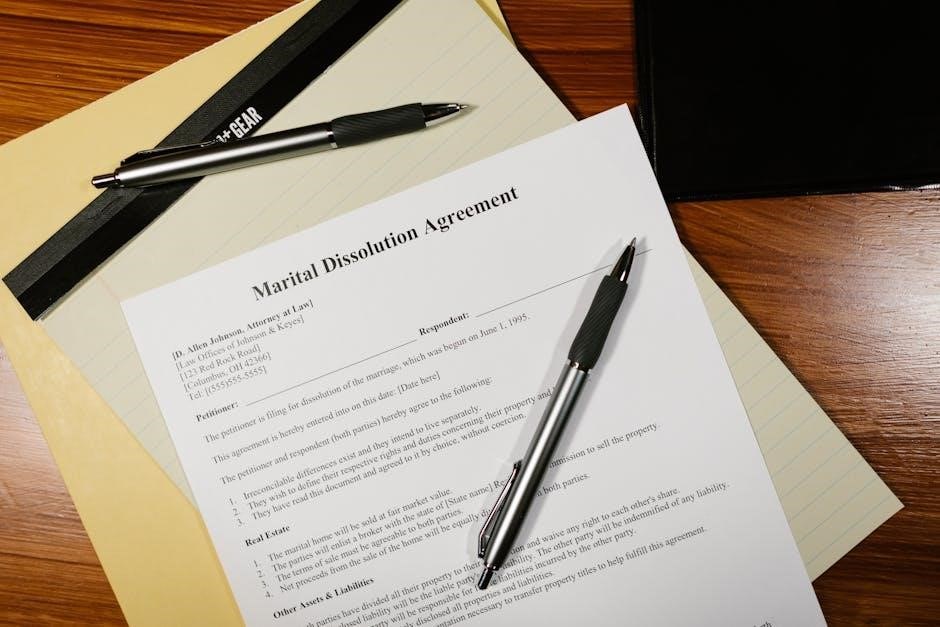
Applying if Neither Applicant is a NJ Resident
For couples where neither applicant resides in New Jersey‚ the application process is slightly different․ You must apply for the marriage license in the New Jersey municipality where the marriage ceremony will be taking place․ This is a key distinction from resident applicants who can apply in their town of residence․
You will need to determine the specific requirements of that municipality‚ as local registrars may have slightly varying procedures or accepted forms of documentation․ It’s advisable to contact the local registrar’s office directly to confirm their specific needs before your visit․
The same 72-hour waiting period applies‚ regardless of residency status․ Therefore‚ plan to arrive in New Jersey with sufficient time to complete the application and allow for the mandatory waiting period before your ceremony can proceed․
Remember to bring all required documentation‚ including valid photo identification and any necessary paperwork related to previous marriages (if applicable)․ Thorough preparation will streamline the process and ensure a smooth application experience․
Same-Sex Marriage License Application Process
The application process for same-sex couples seeking a marriage license in New Jersey is identical to that of opposite-sex couples․ Following the landmark legalization of same-sex marriage‚ all requirements and procedures are applied equally to all couples‚ regardless of gender identity or sexual orientation․
Couples must still apply in person at a New Jersey municipality where either applicant resides‚ or‚ if neither resides in New Jersey‚ in the municipality where the marriage ceremony will be held․ The standard application form is used‚ and all previously mentioned documentation requirements – identification‚ parental information‚ and details of any prior marriages – apply equally․
The 72-hour waiting period also remains in effect for all applicants‚ including same-sex couples․ This waiting period begins after the completed application is filed with the local registrar․
Garden State Equality played a pivotal role in advocating for marriage equality‚ and their efforts ensured a fully inclusive and equitable process for all couples wishing to marry in New Jersey․
Obtaining a Certified Copy of the Marriage License
After your marriage ceremony‚ securing a certified copy of your New Jersey marriage license is crucial for various legal and administrative purposes․ These copies are often required for name changes‚ updating identification documents‚ insurance claims‚ and other official processes․
To obtain a certified copy‚ you must contact the Vital Records office in the municipality where the marriage license was originally issued․ This is typically the town hall or city clerk’s office․ Requests can often be made in person‚ by mail‚ or‚ increasingly‚ online through the municipality’s website or a third-party vendor approved by the state․
You will generally need to provide specific information‚ including the full names of both spouses‚ the date of the marriage‚ and the location where the license was originally filed․ A valid photo ID and a fee are also required․ The fee varies by municipality․
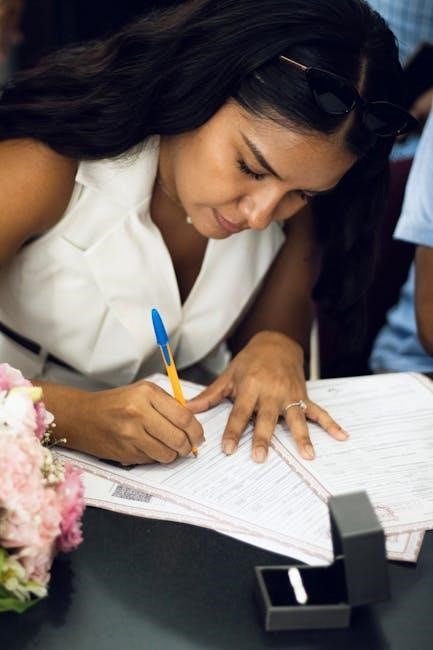
Processing times for certified copies can vary‚ so it’s advisable to plan ahead and submit your request well in advance of any deadlines you may have․
Common Errors to Avoid on the Application Form
Completing the New Jersey marriage license application accurately is paramount to avoid delays or rejection․ Several common errors can cause complications‚ so careful attention to detail is essential for both applicants․
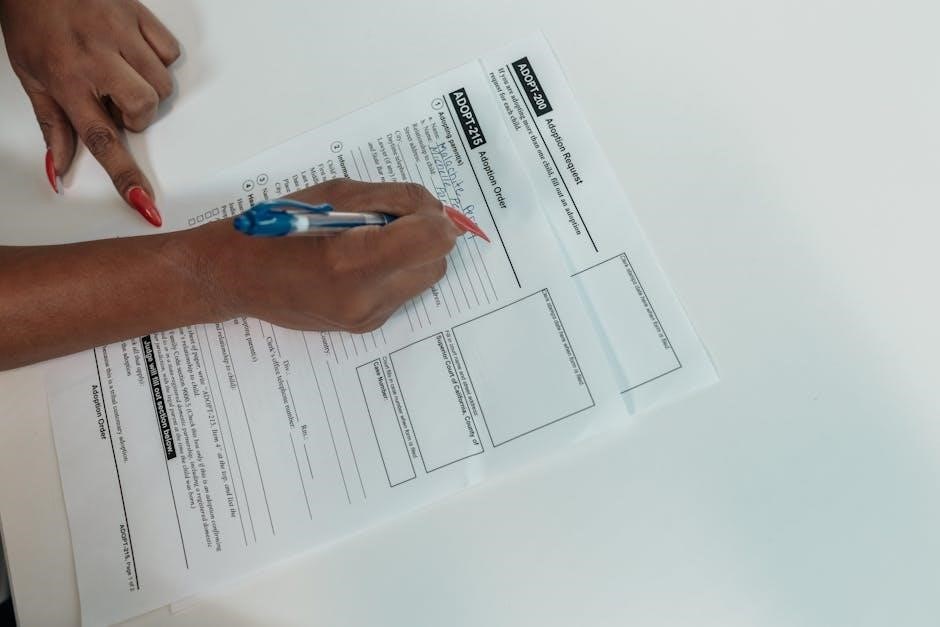
One frequent mistake is providing inconsistent information․ Ensure names‚ dates of birth‚ and addresses match precisely with your official identification․ Discrepancies‚ even minor ones‚ can trigger verification processes and prolong the waiting period․
Incomplete sections are another common issue․ Every field must be filled out‚ or clearly indicated as “N/A” if not applicable․ Specifically‚ parental information and details regarding any previous marriages must be accurate and complete․
Failing to understand the 72-hour waiting period is also a frequent oversight․ The license isn’t issued immediately upon application; allow sufficient time before your ceremony․ Remember you must sign the application under oath in the presence of the issuing authority․ Double-check all entries before submitting to minimize potential problems․