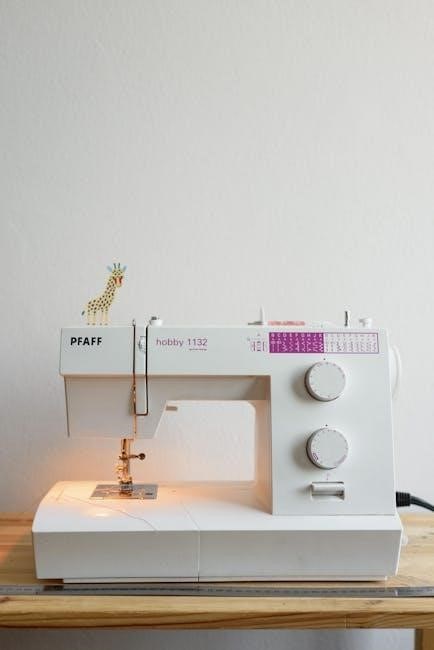
Singer Simple Sewing Machine Manual: A Comprehensive Guide
This guide offers detailed instructions for the Singer Simple, covering setup, operation, troubleshooting, and maintenance – ensuring a smooth sewing experience.
The Singer Simple sewing machine represents a commitment to straightforward, reliable sewing for users of all skill levels. Designed with simplicity as a core principle, this machine eliminates unnecessary complexities, making it an ideal choice for beginners venturing into the world of sewing, or experienced sewers seeking a dependable workhorse for everyday projects.
As an automatic sewing machine, the Singer Simple focuses on performing essential sewing functions efficiently. It boasts a user-friendly interface and intuitive controls, allowing for quick mastery of basic techniques. The inclusion of a one-step buttonhole feature and a convenient free arm further enhances its practicality. This manual serves as your comprehensive companion, guiding you through every aspect of operating and maintaining your Singer Simple machine.
Understanding the Singer Simple 3116 Model
The Singer Simple 3116 is a popular iteration within the Singer Simple line, renowned for its blend of simplicity and functionality. This model is specifically engineered to cater to both novice and seasoned sewers, offering a versatile platform for a wide array of sewing endeavors. It distinguishes itself through its ease of use, ensuring a comfortable experience even for those new to sewing machines.
Key characteristics of the 3116 include adjustable stitch length and width, providing customization for diverse fabric types and project requirements. The one-step buttonhole functionality streamlines the creation of professional-looking buttonholes. Its robust construction guarantees durability, making it a long-lasting addition to any sewing space. This manual will detail all features specific to the 3116 model.
Key Features and Specifications
The Singer Simple sewing machine boasts several key features designed for user convenience and project versatility. As an automatic sewing machine, it simplifies basic sewing tasks. A standout feature is the one-step buttonhole, enabling quick and consistent buttonhole creation. Variable stitch length and width controls allow for customization based on fabric and desired aesthetic.
Specifications include a free arm, facilitating easier sewing of cuffs, sleeves, and other cylindrical items. The machine is designed for a range of fabrics, from lightweight to medium-weight materials. It’s a reliable choice for beginners and experienced sewers alike, offering a balance of simplicity and capability. Detailed specifications are available in the included manual.
Stitch Options and Selection
The Singer Simple sewing machine provides a selection of stitches suitable for various projects. While designed for simplicity, it doesn’t compromise on essential stitch functionality. Users can typically choose from a range of straight stitches, ideal for seams and general fabric joining, and zigzag stitches, perfect for finishing raw edges and creating decorative effects.
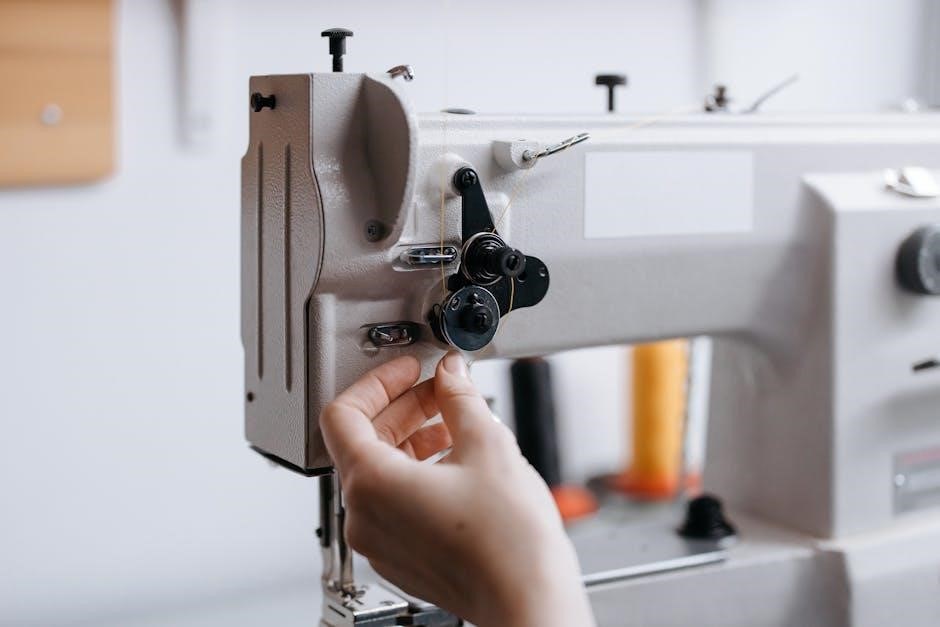
Stitch selection is usually managed via a straightforward dial or button interface, clearly labeled for ease of use. The manual details each stitch’s recommended applications and optimal settings. Adjusting stitch length and width further expands creative possibilities. Understanding these options allows sewers to tackle diverse projects with confidence and precision.
Adjustable Stitch Length and Width
The Singer Simple sewing machine offers adjustable stitch length and width, providing versatility for different fabrics and sewing techniques. Modifying stitch length impacts the durability and appearance of seams; shorter stitches are ideal for delicate fabrics, while longer stitches suit heavier materials. Adjusting stitch width alters the zigzag stitch’s breadth, influencing its decorative or reinforcing capabilities.
These adjustments are typically controlled by dials or buttons, clearly marked for intuitive operation. The manual provides guidance on optimal settings for various applications. Experimenting with these features allows users to customize stitches, achieving professional-looking results and adapting to diverse project requirements. Precise control enhances sewing precision and fabric compatibility.
One-Step Buttonhole Functionality
The Singer Simple boasts a convenient one-step buttonhole feature, simplifying a traditionally complex sewing task. This function automates the process of creating consistently sized buttonholes, eliminating the need for manual calculations and adjustments. Users simply position the button against the designated guide, and the machine completes the buttonhole in a single, streamlined operation.
The manual details how to utilize this feature effectively, including selecting the appropriate buttonhole size and ensuring proper fabric placement. This feature is particularly beneficial for beginners, offering a quick and reliable method for adding professional-looking buttonholes to garments and projects. It saves time and ensures uniform results, enhancing the overall quality of finished items.
Setting Up Your Singer Simple
Proper setup is crucial for optimal performance of your Singer Simple sewing machine. The manual guides you through the initial steps, beginning with unpacking and identifying all components. It emphasizes the importance of placing the machine on a stable, level surface to ensure smooth operation and prevent potential issues.
Key setup procedures include attaching the power cord, installing the bobbin, and threading the upper thread path correctly. The manual provides detailed diagrams and step-by-step instructions for each process, catering to both novice and experienced sewers. Following these guidelines carefully will guarantee your machine is ready for various sewing projects, maximizing its functionality and longevity.
Threading the Machine – A Step-by-Step Guide
Correct threading is fundamental to successful sewing with your Singer Simple. The manual provides a clear, illustrated guide, starting with the thread spool placement and guiding the thread through each component. It details navigating the thread guides, tension discs, and take-up lever, emphasizing the importance of a secure thread path.
The guide specifically highlights ensuring the thread is properly seated in each guide to prevent skipped stitches or tension problems. It also covers threading the needle correctly, offering tips for different needle types. Following these steps precisely, as outlined in the manual, will ensure consistent stitch formation and a frustration-free sewing experience.

Winding the Bobbin
Properly winding the bobbin is crucial for consistent stitch quality on your Singer Simple. The manual details a straightforward process, beginning with placing the thread spool on the spool pin and guiding the thread through the designated tension disc. It then illustrates how to thread the bobbin, ensuring even winding.
The guide emphasizes the importance of not overfilling the bobbin, as this can cause issues during sewing. It also explains how to correctly insert the wound bobbin into the bobbin case, ensuring it clicks into place securely. Referencing the manual’s diagrams will guarantee a smoothly wound bobbin, contributing to even and reliable stitching.
Basic Sewing Techniques
The Singer Simple manual provides clear instructions for mastering fundamental sewing techniques. It begins with guidance on preparing your fabric and threading the machine correctly, foundational steps for successful projects. Detailed explanations and diagrams illustrate how to achieve a consistent straight stitch, essential for seams and basic construction.
Furthermore, the manual covers zigzag stitching, highlighting its versatility for finishing raw edges and creating decorative elements. It emphasizes the importance of practicing stitch control and adjusting stitch length and width to suit different fabric types and project requirements. Following these techniques will build confidence and skill.
Straight Stitching
The Singer Simple manual details achieving a perfect straight stitch, the cornerstone of most sewing projects. Begin by selecting the straight stitch option on your machine, ensuring the stitch length is appropriate for your fabric – shorter for delicate materials, longer for heavier ones. Practice guiding the fabric smoothly under the presser foot, maintaining a consistent speed.
The manual emphasizes keeping a seam allowance consistent, utilizing the markings on the needle plate as a guide. It also advises against pulling or pushing the fabric, allowing the machine to feed it evenly. Mastering straight stitching requires practice, but the Singer Simple’s user-friendly design facilitates learning.
Zigzag Stitching
The Singer Simple manual explains that zigzag stitching offers versatility beyond straight seams, ideal for finishing raw edges, creating decorative elements, and sewing stretch fabrics. Select the zigzag stitch setting, and adjust both the stitch length and width according to your project’s needs – wider and longer stitches for more pronounced effects, narrower and shorter for subtle finishes.

The manual highlights the importance of testing the stitch on a scrap fabric before applying it to your project. It also details how varying the stitch width can prevent fabric puckering when sewing knits. Mastering zigzag stitching expands your creative possibilities with the Singer Simple machine.
Troubleshooting Common Issues
The Singer Simple manual dedicates a section to resolving frequent problems. Common issues include thread breakage, often caused by incorrect threading, a dull needle, or improper tension. Bobbin problems, like tangled thread or the bobbin not winding correctly, are also addressed, emphasizing the importance of using the correct bobbin type.
The manual guides users through diagnosing and fixing these issues step-by-step, suggesting solutions like re-threading the machine, replacing the needle, and cleaning the bobbin area. It stresses the importance of referring to the manual before seeking professional repair, empowering users to maintain their Singer Simple independently.
Thread Breakage Problems
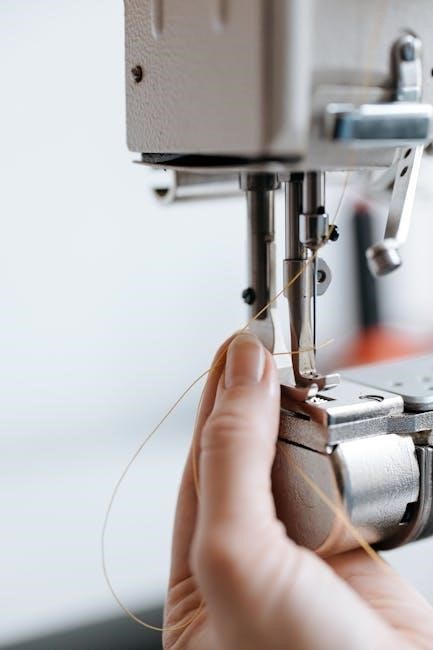
The Singer Simple manual identifies several causes for thread breakage. Incorrect threading is a primary culprit; ensure the thread path follows the diagram precisely. A dull or damaged needle significantly increases breakage risk – replace it with a new, appropriate needle for your fabric. Improper thread tension, either too tight or too loose, can also lead to snapping.
The manual advises checking the thread spool for snags and using quality thread. It also suggests re-threading the entire machine, from spool to needle, and adjusting the tension dial incrementally. Consistent breakage may indicate a mechanical issue, prompting a review of the machine’s internal components as detailed in the manual.
Bobbin Issues and Solutions
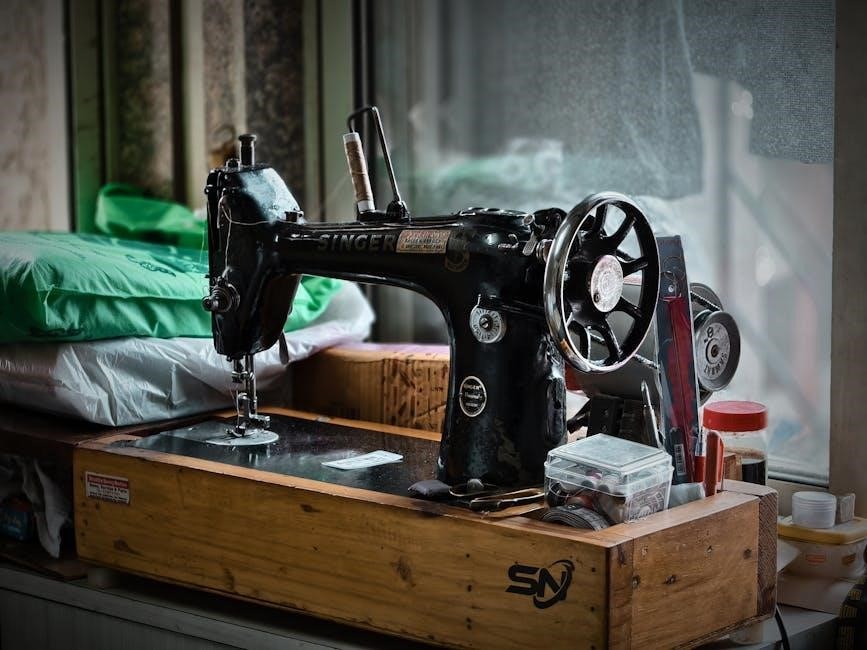
The Singer Simple manual addresses common bobbin problems. If the bobbin won’t wind, verify the bobbin is correctly inserted onto the winder spindle and the thread is properly guided. A jammed bobbin case often results from improper insertion or thread bunching; carefully remove the bobbin and re-insert it, ensuring smooth movement.
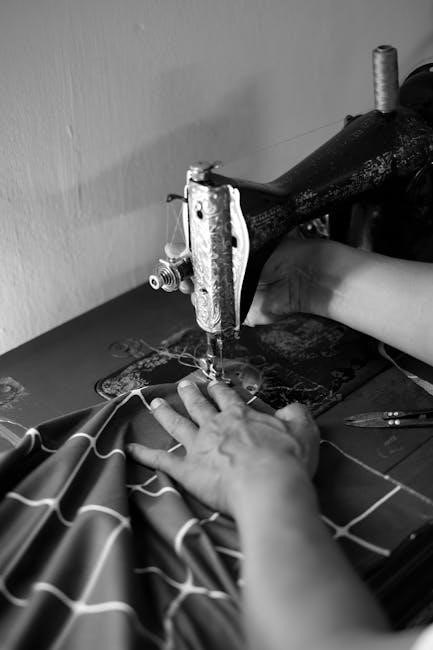
The manual stresses using the correct bobbin type for your machine. If stitches are looping or uneven, the bobbin tension may need adjustment – consult the manual’s diagrams for proper settings. Consistent issues suggest a need to clean the bobbin area, removing lint and debris. Refer to the manual for detailed cleaning instructions.
Maintenance and Care
The Singer Simple sewing machine manual emphasizes regular maintenance for optimal performance. Consistent cleaning prevents lint and dust buildup, which can cause malfunctions. The manual details how to access and clean the bobbin area, feed dogs, and other internal components.

Lubrication is crucial; however, the Singer Simple is designed to be largely self-lubricating. The manual advises against over-oiling, as this can attract lint. Only apply a drop of sewing machine oil to specific points as indicated in the manual. Proper storage, covered to protect from dust, extends the machine’s lifespan. Following these guidelines ensures years of reliable service.
Cleaning Your Singer Simple
Regular cleaning, as detailed in the Singer Simple sewing machine manual, is vital. Begin by disconnecting the power. Use a brush to remove lint from the bobbin area, feed dogs, and around the needle plate. A small vacuum cleaner attachment can also be helpful.
For tougher buildup, a slightly dampened cloth can be used, but avoid harsh chemicals or solvents. Never oil the machine before cleaning, as this attracts more lint. Pay attention to areas where thread frequently passes. Consistent cleaning prevents jams, ensures smooth operation, and prolongs the life of your Singer Simple.
Lubrication Guidelines
The Singer Simple sewing machine manual emphasizes proper lubrication for optimal performance. Generally, this machine requires minimal oiling. Only use Singer sewing machine oil; other oils can cause build-up and damage. Apply a small drop to the bobbin race and the motor shaft – consult your manual for precise locations.
Avoid over-oiling, as excess oil attracts lint and can cause issues. Lubricate after every bobbin change or approximately every few hours of use. Always disconnect the power before oiling. Regular, careful lubrication, as described in the manual, ensures smooth, quiet operation and extends the lifespan of your Singer Simple.
Accessing Singer Simple Manuals (PDF Downloads)
Finding your Singer Simple sewing machine manual is straightforward. Singer’s official website offers a comprehensive archive of downloadable PDF manuals. Numerous third-party websites also host these manuals, including resources with guides for models like the 3116 and older series such as the 320K2 and 306.
A quick online search for “Singer Simple manual PDF” will yield numerous results. These PDF versions allow easy access to detailed instructions, troubleshooting tips, and parts diagrams. Ensure the manual matches your specific model number for accurate information. Downloading the manual provides a convenient, readily available resource for all your sewing needs.
Safety Precautions
Prioritize safety when operating your Singer Simple sewing machine. Always disconnect the power supply before threading, changing the needle, or performing any maintenance. Never force the fabric under the needle; let the machine feed it smoothly. Keep fingers away from the needle area during operation to prevent injury.
Ensure the machine is stable and on a level surface. Do not use the machine if the power cord is damaged. Read all instructions in the manual before use, paying close attention to warnings. Use only approved attachments and accessories. Always turn off and unplug the machine when not in use, and keep it out of reach of children.
Frequently Asked Questions (FAQ)
Q: Where can I find a PDF of the manual? A: Numerous websites offer free Singer Simple manual downloads, including those for the 3116 model. Search online for “Singer 3116 manual PDF.”
Q: What needle type does the Singer Simple use? A: It generally uses a 15 class (HA-1) needle. Q: How do I fix thread breakage? A: Re-thread the machine, ensure proper tension, and use quality thread. Q: What if my bobbin keeps jamming? A: Clean the bobbin area and ensure the bobbin is wound correctly. Refer to the manual for detailed instructions.