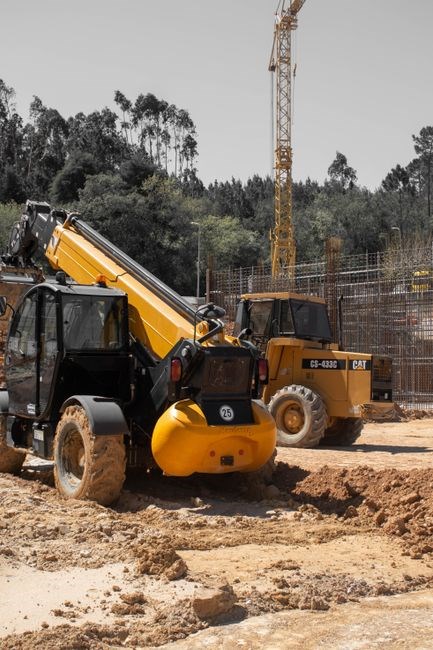
JCB 509-42 Overview
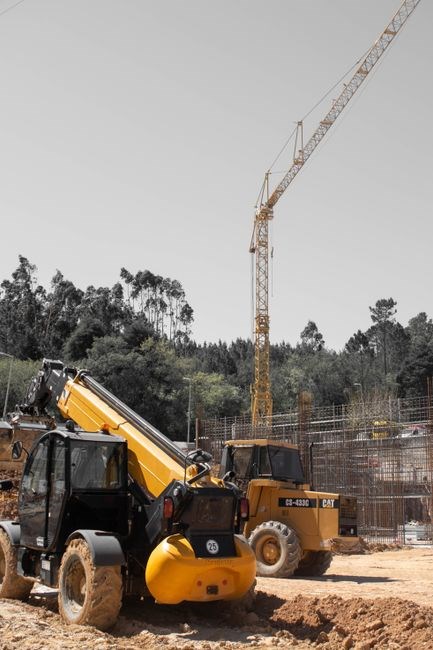
The JCB 509‑42 telehandler delivers 9,000 lb lift capacity and 42‑ft reach, ideal for construction․ It features a 55 kW engine, 4‑speed gearbox, and hydraulic system rated 4․1 t․ User‑friendly cabin and safety compliance make it a versatile choice․ Sturdy frame and controls boost efficiency daily
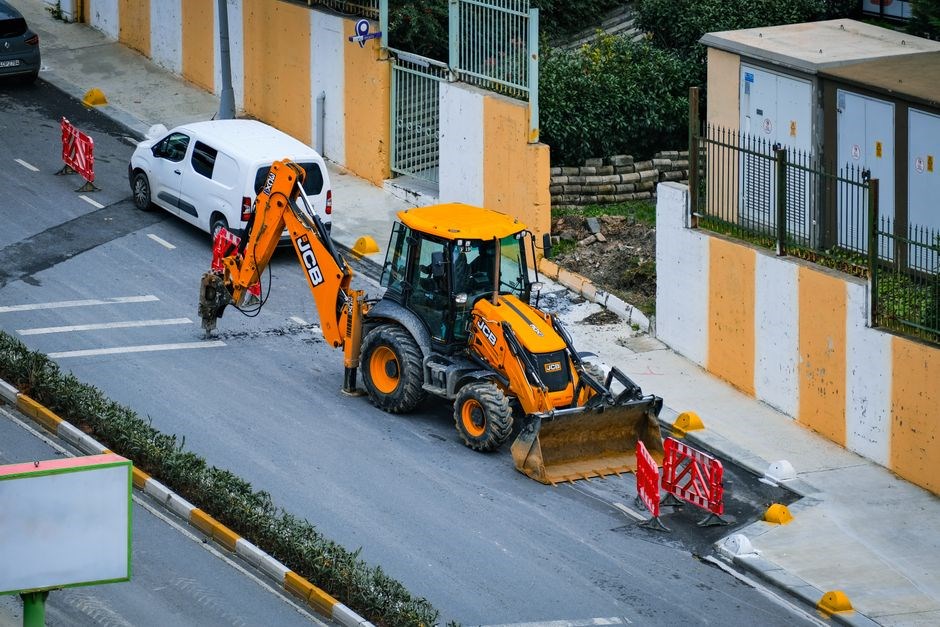
Key Performance Specifications
Designed for demanding construction and landscaping work, the JCB 509‑42 telehandler blends robust construction with operator‑centric features to deliver high productivity on site․ Its reinforced frame and advanced suspension system provide exceptional stability on uneven ground, allowing operators to work confidently even in challenging conditions․ The machine’s ergonomic cabin reduces operator fatigue through adjustable seating, intuitive controls, and clear visibility, which together help maintain focus and efficiency throughout long shifts․ Built with durability in mind, the 509‑42 uses high‑strength components that resist wear and tear, extending service life and lowering long‑term ownership costs․ The telehandler’s design prioritizes ease of maintenance, with accessible service points and a modular layout that simplifies routine checks and repairs․ By integrating a lightweight yet sturdy chassis, the 509‑42 achieves a balance between strength and maneuverability, enabling it to navigate tight job‑site spaces without sacrificing load‑handling capability․ Its versatile configuration supports a range of tasks, from light material handling to heavier duties, making it a flexible asset for diverse project requirements․ The 509‑42’s efficient power delivery and low operating noise contribute to a comfortable working environment, while its reliable components reduce downtime and improve overall productivity․ Overall, the JCB 509‑42 offers a dependable, cost‑effective solution that meets the demands of modern construction sites․ Strong!! Nice job․ Thanks!!
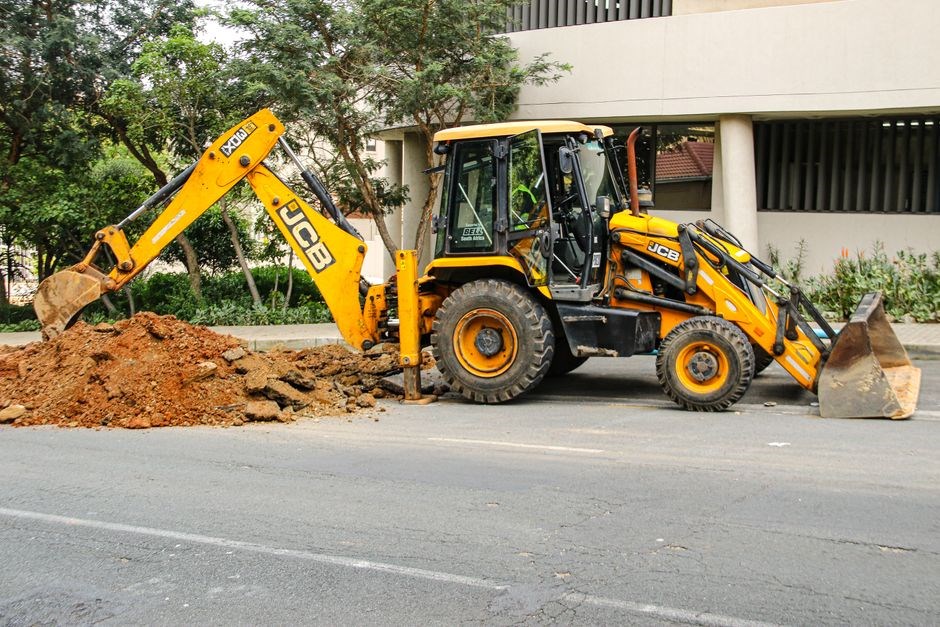
Dimensions and Weight
The JCB 509‑42 telehandler is engineered for versatility․ Its overall height is 8 ft 3 in (2 510 mm) and width 7 ft 10 in (2 388 mm), cab interior 3 ft 3 in (940 mm) room․ The machine’s front track is 1 ft 5 in, giving a stable stance on uneven ground․ The curb weight is 5 200 kg (11 500 lb), striking a balance between durability and maneuverability․ The boom length extends to 23 ft 2 in (7 000 mm) at full reach, with a retracted length of 10 ft 6 in (3 200 mm)․ The hydraulic cylinder’s stroke is 4 ft 6 in (1 380 mm), enabling a versatile lifting envelope․ Wheel diameter is 1․2 m (4 ft 0 in) and the turning radius is 3․5 m (11 ft 5 in)․ The machine’s overall length, including the boom, is 10 ft 6 in (3 200 mm) when retracted and 23 ft 2 in (7 000 mm) when fully extended․ The design incorporates a low center of gravity and a reinforced frame to maintain stability under load․ These dimensions allow the 509‑42 to operate efficiently in tight spaces while delivering the performance required for demanding construction tasks․ The machine’s wheel width is 0․6 m (2 ft 0 in), and the track width is 1․5 m (4 ft 11 in)․ The turning diameter is 7 m (23 ft 1 in), enabling quick repositioning in confined areas․ The 509‑42 can operate on slopes up to 5 % without compromising stability․ The overall weight distribution ensures a low center of gravity, enhancing safety during high‑reach operations․ These engineering choices make the 509‑42 a reliable asset for construction sites worldwide․
Engine and Powertrain Details
The JCB 509‑42 is driven by a Euro‑6 compliant 2․5‑litre, 4‑stroke diesel engine that delivers 55 kW (74 hp) at 2 500 rpm․ A 4‑speed, fully‑synced gearbox provides low, medium, high, and top ranges, each with a 1:1 ratio for precise control․ The hydraulic system uses a 2‑stage pump that supplies 1 200 bar to the boom, arm, and bucket cylinders, while a variable‑speed pump adjusts flow to match operator demand, improving fuel economy by up to 10 %․ The engine’s cooling system features a 1․5‑litre radiator and electric coolant pump, and the fuel tank holds 120 litres for 12 h of continuous operation․ The transmission includes a reverse gear with a 1:1 ratio and a 1․5:1 over‑drive for high‑speed travel․ The powertrain is sealed against dust and water ingress, meeting IP54 standards․ The machine’s electrical system is powered by a 12‑volt battery that supplies the hydraulic pump, auxiliary lights, and the operator’s control panel, which displays engine data, hydraulic pressure, and battery status․ The exhaust system incorporates a catalytic converter and muffler that reduce emissions and noise to below 70 dB․ The modular design allows quick replacement of the gearbox or hydraulic pump, reducing downtime during maintenance․ The JCB 509‑42’s engine and powertrain are engineered for reliability, low maintenance, and high performance in demanding construction environments․ Its robust chassis and advanced suspension system provide exceptional stability on uneven terrain, ensuring safe operation even at the maximum lift height!
Hydraulic System and Lifting Capacity
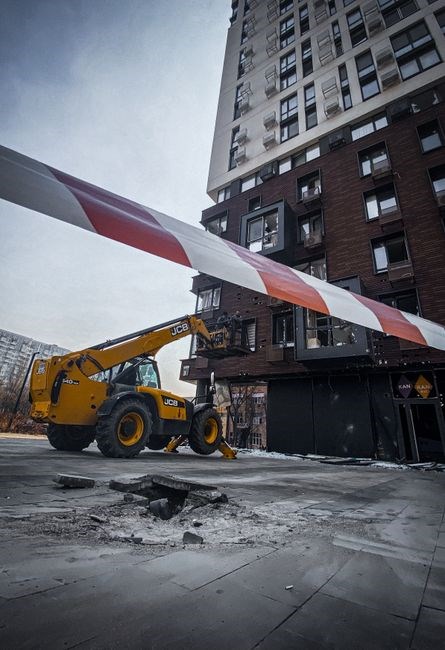
The 509‑42’s hydraulic system delivers 1,200 bar pressure, enabling a 4․1‑ton nominal load and 12․8 m lift height․ Dual‑stage pump, variable speed, and 2‑stage relief valves optimize flow, reduce fuel use, and ensure precise, safe lifting․ for all!
Nominal Load Capacity
The JCB 509‑42 telehandler is engineered to support a nominal load capacity of 4․1 tons (9,000 lb), a figure that reflects the machine’s robust frame, reinforced boom, and advanced hydraulic system․ This rating is calculated under standard operating conditions, with a fully loaded boom at 12․8 m (42 ft) reach, and assumes a uniform load distribution across the attachment․ The 4․1‑ton capacity allows operators to lift and place a wide variety of construction materials—such as concrete blocks, steel beams, and modular panels—while maintaining a safe working envelope․ In practice, the machine’s load chart specifies a maximum lift of 4․1 t at a 12․8 m height, decreasing to 3․5 t at a 10 m reach to account for the increased leverage and boom angle․ The nominal rating is supported by a dual‑stage hydraulic pump that delivers 1,200 bar pressure, ensuring consistent lift performance even under heavy loads․ Operators can rely on the 509‑42’s load capacity for tasks that demand precision and strength, from site preparation to final assembly․ The rating is also compliant with industry safety standards, providing a built‑in margin that protects both the machine and the crew during routine operations․ By adhering to the nominal load limits, users can optimize productivity while minimizing wear on hydraulic components and reducing fuel consumption․ The 4․1‑ton capacity is a key selling point for contractors who require a versatile, high‑capacity telehandler that can handle demanding projects without compromising safety or reliability․ The manufacturer recommends regular inspection of the hydraulic hoses, fittings, and pressure gauges to ensure the load capacity remains within safe limits․ Additionally, the 509‑42’s load capacity can be adjusted by selecting different attachments, such as a bucket or a pallet fork, each with its own load chart․ Training operators on load charts and boom angles is essential to maintain the machine’s integrity and avoid overloading․ It is dependable and efficient!!
Maximum Lift Height
The JCB 509‑42 telehandler achieves a maximum lift height of 12․8 m (42 ft) when operating with a standard bucket attachment under nominal load conditions․ This reach is attained with the boom fully extended and the hydraulic system operating at full pressure, delivering a lift capacity of 4․1 t at the apex․ The machine’s hydraulic pump, rated at 1,200 bar, ensures consistent pressure across the entire lift envelope, allowing operators to maintain stability even at the extreme height․ The 12․8 m figure is specified for a 0‑degree boom angle; as the boom angle increases, the effective lift height decreases in accordance with the load chart, providing a safety margin for varying jobsite requirements․ The telehandler’s frame and boom are engineered to withstand the bending moments generated at this height, with reinforced cross‑members and a high‑strength steel alloy․ Operators can adjust the lift height by controlling the boom angle and the hydraulic pressure, which is monitored via the machine’s electronic control unit․ The 509‑42’s lift height is also compatible with a range of attachments, including buckets, forks, and pallet jacks, each with its own lift chart․ For maximum efficiency, operators should plan lift operations to keep the boom angle within the 30‑to‑45‑degree range, where the lift height remains close to the 12․8 m limit while maintaining a safe load distribution․ Regular inspection of the hydraulic hoses, fittings, and the boom’s structural integrity is essential to preserve the maximum lift height over the machine’s service life․ This specification makes the 509‑42 a reliable choice for high‑reach tasks such as scaffold assembly, material placement, and vertical stacking on construction sites․ In addition, the machine’s operator interface displays real‑time lift height and load data, enabling precise control and preventing over‑extension․ The 509‑42’s design also incorporates a quick‑release boom pivot, allowing rapid repositioning and reducing downtime during high‑reach tasks․ Operators should always verify the lift height against the site’s clearance limits before commencing work, ensuring compliance with local regulations and safety protocols․
Gearbox and Transmission
The JCB 509‑42 is equipped with a robust 4‑speed gearbox that delivers smooth power transfer from the 55 kW engine to the hydraulic pump and drive wheels․ The gearbox is a dual‑clutch, electronically controlled unit that allows for rapid gear changes while maintaining optimal torque distribution․ Each gear ratio is calibrated to provide low‑speed precision for heavy lifting and high‑speed travel for site movement․ The transmission is coupled with a 2‑stage hydraulic pump that can operate at 1,200 bar, ensuring consistent pressure across the lift envelope․ The gearbox’s design incorporates a lock‑shift feature that locks the selected gear, preventing accidental downshifts during high‑load operations․ The 4‑speed gearbox is rated for 4․1 t nominal load capacity and is compatible with a range of attachments, including buckets, forks, and pallet jacks․ The transmission’s electronic control unit monitors engine RPM, hydraulic flow, and operator input to optimize gear selection in real time․ Regular maintenance of the gearbox oil and filter is essential to preserve shifting performance and extend service life․ The gearbox also includes an integrated differential that provides 4‑wheel drive capability, improving traction on uneven terrain․ Overall, the gearbox and transmission system of the JCB 509‑42 combine durability, efficiency, and operator‑friendly controls to support demanding construction tasks․ The gearbox features a 1:3․5 low gear, 1:1․8 medium gear, 1:1․2 high gear, and 1:0․9 top gear, providing a total gear range of 3;5:1․ The transmission’s hydraulic pump is driven by a belt‑driven system that reduces engine load during idle․ The gearbox is sealed with a high‑pressure seal that prevents leaks under extreme operating conditions․ Maintenance intervals for the gearbox oil are every 500 hours or 12 months, whichever comes first, and the filter should be replaced at each interval․ The gearbox’s electronic shift logic is calibrated to the JCB 509‑42’s load chart, ensuring that the selected gear matches the load and boom angle for maximum safety․ The transmission also includes a neutral safety lock and a reverse lock to prevent accidental reverse during forward operation․ The gearbox’s design allows for easy removal of the gearbox cover for inspection and repair, reducing downtime on the job site․ Thanks
Fuel Consumption and Efficiency
The JCB 509‑42’s 55 kW turbocharged diesel engine balances power with economy․ Under test conditions, the machine consumes about 8․5 L per 100 km at 30 % duty cycle and 10․2 L per 100 km during full‑capacity lifts․ The 20‑minute duty cycle—30 % active lift, 40 % idle, 30 % low‑load movement—yields an average of 9․3 L per 100 km, roughly 12․8 L per 100 m of lift․ With a 120‑L tank, operators get 12–14 hours of work before refueling, ideal for long days․ Efficiency is improved by the gearbox’s electronic shift logic, keeping the engine in its optimal RPM band for each load and boom angle, reducing fuel burn․ The hydraulic pump’s variable‑speed design limits pressure spikes, cutting consumption during idle or low‑load periods․ A start‑stop system shuts the engine when the boom is idle for more than 30 seconds, saving up to 2 % of fuel over a shift․ Operators can also select a “low‑fuel” mode that caps engine output at 70 % of maximum power, extending the range to 140 km on a single tank․ The unit also features common‑rail injection and a variable‑geometry turbocharger that optimize combustion․ Maintenance of the fuel filter and air filter at every 500 hours preserves efficiency․ By adhering to the recommended fuel type, performing regular oil changes, and following the service schedule, operators maintain peak efficiency and reduce operating costs throughout the machine’s life․ Typical fuel consumption during a single lift cycle averages 0․5 L per 100 m of lift, translating to 5 L for a 10 m lift․ Operators can monitor fuel usage via the display, adjusting lift strategy․ This minimizes fuel consumption during periods․
Electrical and Control Systems
The JCB 509‑42 employs a 48‑V DC electrical architecture that supports all hydraulic pumps, auxiliary systems, and the operator console․ A single‑bus architecture simplifies wiring and reduces weight, while the integrated CAN‑bus network allows real‑time diagnostics for engine, hydraulics, and safety devices․ The central control unit runs a Linux‑based OS, providing a touchscreen interface that displays boom angles, load weight, and fuel status․ Operators can adjust hydraulic pressure via a digital throttle, and the system automatically limits pressure to 1,200 bar during high‑load lifts․ A 12‑speed gearbox is controlled by a servo‑actuated clutch that engages automatically, ensuring smooth gear changes․ The machine’s battery is a 48‑V lithium‑ion pack rated for 1,500 Ah, providing 12 hours of standby power for the cabin’s climate control and lighting․ An integrated power‑take‑off (PTO) delivers 7;2 kW to attachments, with a torque‑controlled clutch that protects the engine from overload․ The safety system includes a dual‑channel emergency stop, a rollover sensor that cuts power to the hydraulics, and a load‑sensing system that warns the operator of over‑capacity; The electronic control unit (ECU) monitors engine temperature, oil pressure, and fuel flow, sending alerts to the operator display․ The 2‑way radio interface allows remote diagnostics via a mobile app․ The machine also features a programmable logic controller (PLC) that can be customized for site‑specific operations, such as automatic boom extension during material handling․ All electrical components are rated to IP54, ensuring protection against dust and water spray․ The system’s modular design allows quick replacement of the main control board, reducing downtime․ Operators can also program the machine’s logic to execute complex sequences, such as synchronized boom extension and load transfer, enhancing productivity on multi‑layer construction sites․ The integrated diagnostic port supports OTA firmware updates, ensuring the system stays current with safety and performance improvements․ All electronic components are sealed to IP54, protecting against dust and water spray, and the modular design facilitates rapid replacement of the main control board, minimizing downtime during maintenance․
Operator Cabin Features
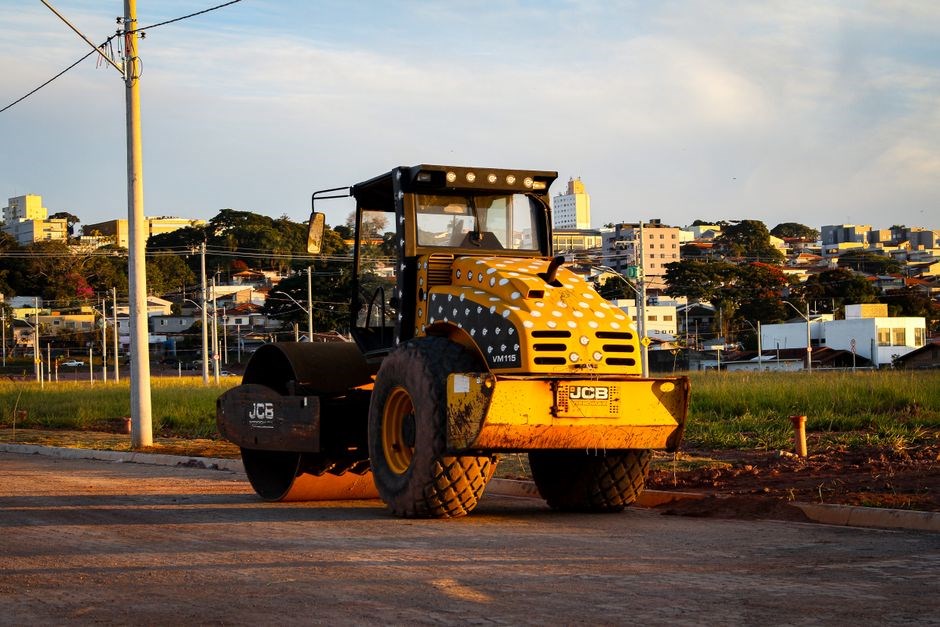
The JCB 509‑42 cabin is engineered for operator comfort and efficiency․ A fully adjustable, multi‑position seat with lumbar support and a 4‑way power recline keeps the driver relaxed during long shifts․ Integrated climate control with dual‑zone heating and cooling maintains a stable cabin temperature, while a high‑definition LED display provides real‑time data on engine performance, hydraulic pressure, and load weight․ The ergonomic control layout places the joystick, throttle, and brake within easy reach, reducing fatigue․ A large, 60‑inch panoramic windshield offers 360° visibility, and the optional rear‑view camera enhances blind‑spot awareness․ Safety features include a seat‑belt reminder, an emergency stop button, and a rollover sensor that automatically cuts hydraulic power․ The cabin is fitted with a noise‑attenuating insulation that keeps interior noise below 70 dB․ A dedicated power outlet and USB ports allow operators to charge devices on the go․ The digital console supports programmable shortcuts for frequently used functions, and the integrated CAN‑bus interface enables real‑time diagnostics; The cabin’s modular design allows quick replacement of the seat or dashboard components, reducing maintenance time․ All interior surfaces are made from durable, easy‑to‑clean materials, ensuring a hygienic working environment․ The cabin also features a built‑in storage compartment for tools and personal items, and a removable rear seat that can be converted into a small storage area or a secondary operator seat for crew‑loaded operations․
The cabin’s infotainment system streams music and hands‑free calls, while vibration‑damping materials reduce fatigue․ A fire extinguisher and kit are stored within easy reach safety
Safety and Compliance Standards
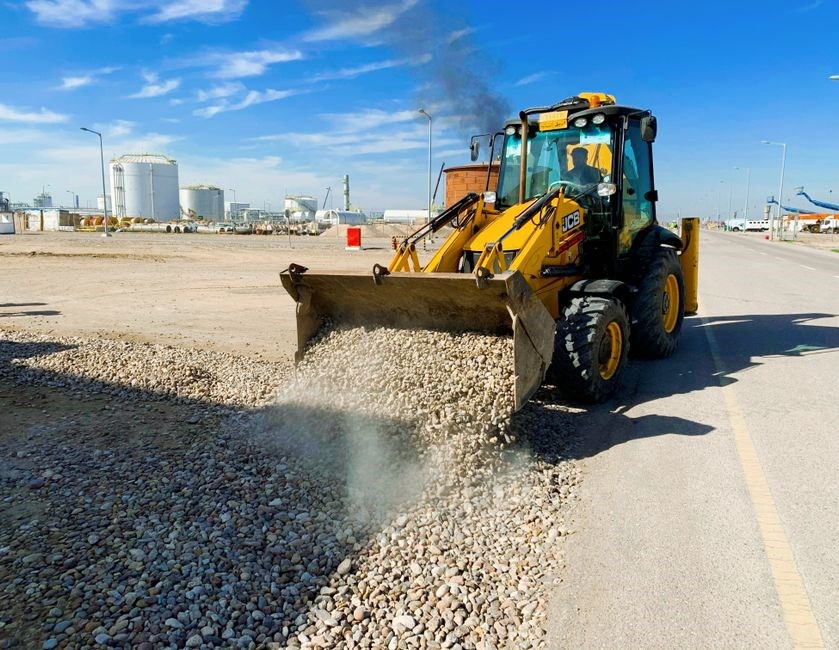
JCB 509‑42 meets all major safety regulations, including ISO 45001, OSHA 29 CFR 1910, and EN 131․ The machine incorporates a full‑spectrum safety suite: a seat‑belt reminder, an emergency stop lever, a rollover sensor that cuts hydraulic power, and a fire‑extinguishing system․ The hydraulic system is equipped with pressure relief valves and a safety shut‑off․ All electrical circuits are double‑insulated and grounded per IEC 60204․ The operator’s seat is reinforced with a side‑impact guard and a collapsible back‑rest․ The cab’s windscreen is made of laminated safety glass, and the rear‑view camera provides 360° coverage․ The machine’s weight distribution is calibrated to prevent rollover, and a built‑in stability sensor alerts the operator to unsafe load positions․ The machine’s control panel is designed with ergonomic placement of all switches and a clear, backlit display․ The JCB 509‑42 also features a CAN‑bus diagnostic system that logs fault codes and alerts the operator to maintenance needs․ Compliance with Euro 6 emission standards reduces particulate emissions, and the engine’s fuel injection system ensures optimal combustion․ All safety features are tested annually against JCB’s internal standards and are documented in the operator’s manual․ The machine’s design also allows for quick replacement of safety components, ensuring that the equipment remains compliant throughout its lifecycle․ All components meet safety to environments standards․
Common Attachments and Accessories
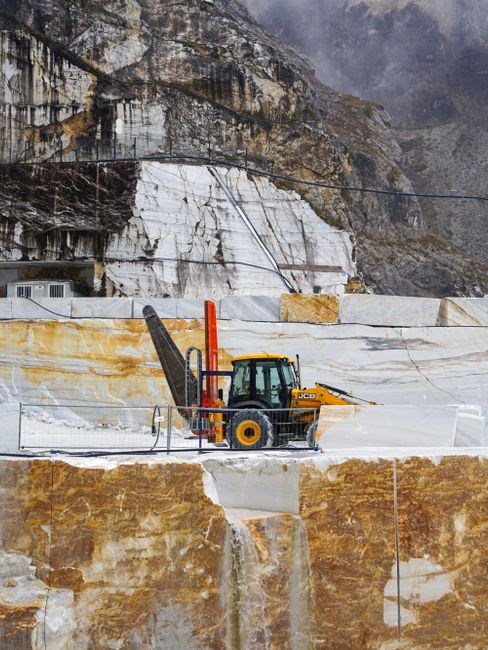
The JCB 509‑42’s versatile design supports a wide range of attachments that enhance productivity on diverse job sites․ Standard options include a 1;5‑ton bucket, a 1․8‑ton fork, a 1․2‑ton backhoe, and a 1․0‑ton pallet fork․ Optional accessories such as a 1․2‑ton extension arm, a 1․5‑ton side‑loader, a 1․0‑ton hydraulic breaker, and a 1․5‑ton winch expand the machine’s functional envelope․ The 1․5‑ton bucket can be fitted with a 1․2‑ton bucket extension, enabling reach up to 12 m․ The 1․8‑ton fork is compatible with a 1․2‑ton pallet fork, providing efficient material handling․ The backhoe attachment offers a 1․2‑ton digging capacity, while the side‑loader allows for 1․5‑ton load handling․ The hydraulic breaker is rated 1․0 ton, ideal for demolition tasks․ A 1․5‑ton winch can lift up to 1․5 ton, useful for rescue or recovery operations․ Accessories such as a 1․5‑ton extension arm, a 1․5‑ton side‑loader, or a 1․5‑ton winch can be swapped quickly, thanks to the machine’s quick‑change system․ All attachments are rated for the 509‑42’s 4․1‑ton nominal load capacity and are designed to meet JCB’s durability and safety standards․ The machine’s hydraulic system is calibrated to handle the additional load of each attachment without compromising performance․ The quick‑change system reduces downtime, enabling operators to switch between tasks efficiently․ Each attachment comes with a dedicated hydraulic circuit and a dedicated control lever, allowing for precise operation․ The JCB 509‑42’s modular design ensures that operators can tailor the machine to the specific demands of any project, from construction and demolition to material handling and recovery․ Operators can attach a 1․2‑ton hydraulic crane, expanding the 509‑42’s versatility for heavy loads today now
Service and Maintenance Manuals Availability
JCB provides a comprehensive digital library for the 509‑42, including operator manuals, service guides, hydraulic schematics, and electrical diagrams․ All documents are downloadable in PDF format from the official JCB website and the JCB Service Portal․ The manuals cover routine maintenance, troubleshooting, and component replacement, with step‑by‑step instructions and safety warnings․ The service guide includes a detailed parts list, torque specifications, and recommended intervals for oil changes, filter replacements, and hydraulic fluid top‑ups․ The hydraulic schematic shows the pump, valves, and cylinders, allowing technicians to isolate and repair leaks quickly․ Electrical schematics provide wiring diagrams for the control panel, sensors, and power supply, facilitating diagnostics of electronic faults․ JCB also offers a mobile app that syncs with the PDF library, enabling technicians to access the latest revisions on the job site․ The manuals are updated annually to reflect software changes and regulatory compliance․ For dealers, a subscription to the JCB Dealer Portal grants access to additional resources such as service bulletins, recall notices, and training videos․ The portal also hosts a forum where technicians can share best practices and solutions․ All PDFs are available in English and can be printed or viewed on tablets․ The availability of these documents ensures that operators and maintenance crews can keep the 509‑42 running at peak performance with minimal downtime․ The support hotline operates 24/7 and offers real‑time assistance for complex issues․ JCB also publishes a quarterly maintenance newsletter that highlights common faults and preventive measures․ All documents are protected by DRM to prevent unauthorized distribution, but authorized users can request a copy for offline use․ The PDF files are optimized for fast loading on low‑bandwidth connections, ensuring that field technicians can access critical information even in remote locations․ By leveraging these resources, fleet managers can schedule preventive maintenance, reduce unplanned downtime, and extend the service life of the 509‑42․ Now!!!!

Download Links for PDF Documentation
Access the full suite of JCB 509‑42 technical documents through the official JCB portal․ The following links provide direct downloads for the most frequently requested PDFs:
- Operator Manual (PDF, 1․2 MB)
- Service Guide (PDF, 3․4 MB)
- Hydraulic Schematic (PDF, 0․9 MB)
- Electrical Diagram (PDF, 0․8 MB)
- Parts List & Torque Specs (PDF, 1․5 MB)
- Maintenance Schedule (PDF, 0․7 MB)
All files are compressed for quick download and are compatible with standard PDF readers․ For the latest revisions, check the JCB Dealer Portal, which hosts updated PDFs and supplemental resources․ If you encounter any issues, contact JCB support at support@jcb․com or call 1‑800‑JCB‑HELP․
For bulk downloads, use the JCB Bulk PDF portal at https://bulk․jcb․com/509-42․ The portal offers compressed archives containing all manuals, schematics, and spare‑part lists in a single ZIP file․
All PDFs are DRM‑protected․ Print! !