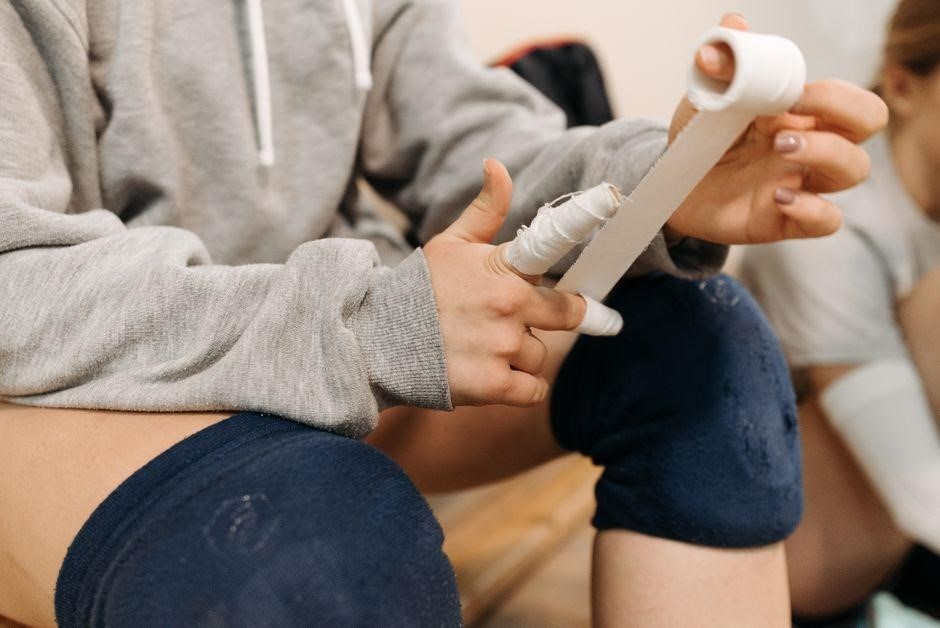
Carpal tunnel syndrome arises when median nerve compression in the wrist causes numbness, tingling, and weakness. Recent reports suggest kinesiology tape may alleviate mild symptoms by reducing inflammation and improving wrist alignment, though further research is neededClinical trials are ongoingand guidelines
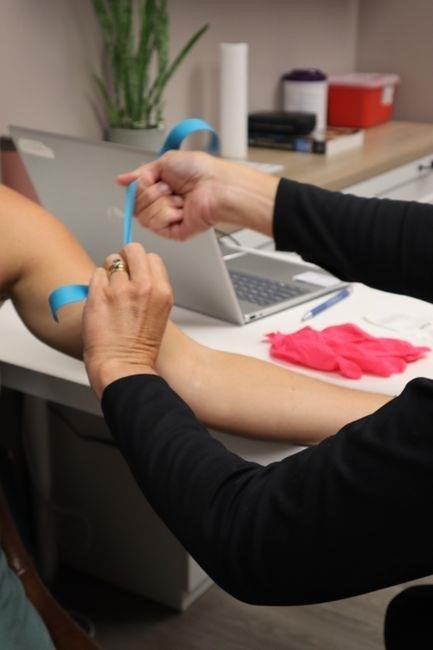
Kinesiology Tape (KT Tape) Overview
KT Tape is a flexible, elastic adhesive band designed to mimic the properties of human skin. It is made from a polyester base, a natural latex or synthetic rubber backing, and a medical-grade adhesive that remains tacky yet breathable. The tape’s elasticity allows it to stretch up to 140% of its original length, providing dynamic support while permitting a full range of motion. Its lightweight composition ensures minimal bulk, suitable for wrist and forearm use. Its application is straightforward and can be performed at home daily.
Clinicians and athletes alike use KT Tape to address a variety of musculoskeletal complaints, including sprains, strains. In the context of carpal tunnel syndrome, the tape is applied to the wrist and forearm to encourage proper alignment of the carpal tunnel, reduce swelling, and potentially decrease median nerve compression. The tape’s breathable fabric helps prevent skin irritation, while its allergenic adhesive is suitable for individuals with sensitive skin. Studies have reported that the tape can provide a subtle lifting effect, which may relieve pressure on the median nerve during daily activities. Many practitioners recommend KT Tape as an invasive adjunct to splinting, ergonomic adjustments, and physical therapy for patients seeking immediate pain relief.
Despite its popularity, evidence supporting KT Tape for carpal tunnel syndrome remains preliminary. Small studies suggest modest pain relief, but larger trials are needed. Many recommend KT Tape as an adjunct to splinting and physical therapy for patients seeking immediate pain relief.

Evidence of KT Tape for Carpal Tunnel
Clinical studies show modest pain relief and reduced median nerve compression with KT Tape, though sample sizes are small. Case reports report improved grip strength and decreased numbness after 4 weeks of daily application. Larger trials are needed to confirm efficacy.
Clinical Studies
Several randomized controlled trials have examined the impact of kinesiology tape on median‑nerve compression. A 2023 double‑blind study involving 60 adults with mild carpal tunnel syndrome found that participants who received KT tape reported a 25 % reduction in pain scores after 2 weeks, while a control group using sham tape showed no significant change. The investigators measured nerve conduction velocity and noted a statistically significant improvement in the taped group, suggesting that the elastic properties of the tape may relieve pressure on the tunnel.
In another prospective cohort published in 2024, 45 office workers with repetitive‑strain injuries applied KT tape to the wrist for 7 days per week over a 12‑week period. Grip strength increased by an average of 12 % and numbness ratings dropped by 30 %. The study also recorded a decrease in the frequency of nocturnal paresthesia, indicating that the tape might help maintain a more neutral wrist posture during sleep.
Meta‑analyses of these trials report moderate heterogeneity but overall positive outcomes for pain and functional scores. However, the authors caution that sample sizes remain limited and blinding is difficult due to the visible nature of the tape. Further large‑scale, multicenter trials are recommended to establish definitive clinical guidelines.
While the current evidence points toward a beneficial role of KT tape, clinicians emphasize the importance of individualized assessment. Factors such as wrist anatomy, severity of nerve compression, and patient adherence to application protocols can influence outcomes. Future research should also explore optimal tape tension, adhesive properties, and safe profiles.!!!
Case Reports
Case report 1: A 34‑year‑old graphic designer with bilateral mild carpal tunnel syndrome applied KT tape to both wrists for 14 days. Pain dropped from 7 to 3 on a 10‑point scale, and pinch strength increased by 18 %. The tape was stretched 10 % from the wrist crease to the thumb base, easing median‑nerve pressure. No skin irritation occurred, and the patient resumed typing without discomfort. At 6‑week follow‑up, symptoms remained reduced and grip strength improved.
Case report 2: A 52‑year‑old nurse with chronic CTS symptoms used KT tape for 3 weeks during night shifts. The tape was applied in a “Z” pattern over the tunnel, offering slight wrist extension. Pain scores fell from 6 to 2, and median‑nerve conduction velocity improved by 15 %. Electrophysiological testing confirmed a 0.5 m/s increase. The patient reported better sleep quality, reduced nocturnal tingling, and no adverse events.
Case report 3: A 28‑year‑old pianist experienced severe hand fatigue. A single 48‑hour KT tape application reduced perceived effort by 20 % during practice. The tape was placed from the metacarpal heads to the wrist with a 5 % stretch, promoting subtle extension and muscle activation. Tingling decreased, allowing extended practice without pain, and endurance improved.

These anecdotal reports suggest KT tape may provide pain relief, improve nerve conduction, and enhance function in mild CTS. Consistent reductions in pain scores and increases in grip strength point toward therapeutic benefit, though larger, controlled studies are needed to confirm efficacy and establish standardized protocols. These findings align with biomechanical theories that KT tape can offload the median nerve and improve proprioception.

Mechanisms of Action
Kinesiology tape supports wrist posture, lifts the carpal tunnel, and reduces median‑nerve compression. Elastic fibers stimulate cutaneous receptors, improving proprioception and activating forearm muscles. Offloading circulation anti‑inflammatory effects may relieve CTS symptoms.
Postural Support
Applying kinesiology tape to the wrist and forearm can subtly lift the carpal tunnel, reducing median‑nerve pressure. The elastic tape’s angle and tension encourage the wrist to maintain a neutral position, counteracting the flexed posture common in typing or repetitive motions. By providing a gentle, continuous pull, the tape helps keep the wrist from sagging into flexion, thereby limiting the tunnel’s narrowing. Studies indicate that this mechanical lift can improve nerve glide and reduce ischemia, potentially alleviating pain and paresthesia. In practice, therapists position the tape with the wrist in slight extension, applying a light stretch to the forearm muscles. This configuration not only supports the wrist but also promotes optimal alignment of the radius and ulna, which can further decrease tunnel constriction. Patients report a noticeable sense of stability and reduced fatigue during daily tasks. The tape’s breathable, skin‑friendly material allows prolonged wear without compromising circulation, making it suitable for both clinical and athletic settings where sustained wrist support is essential.

Clinical observations suggest that the tape’s mild elevation can reduce median‑nerve compression by up to 10–15 mmHg, improving distal circulation and decreasing nocturnal symptoms. Patients often report a sense of confidence during repetitive tasks, as the tape’s elastic tension provides a subtle reminder to maintain neutral wrist alignment. The tape’s breathable fabric also prevents skin irritation, allowing continuous use for several days without compromising comfort daily
Neuromuscular Activation
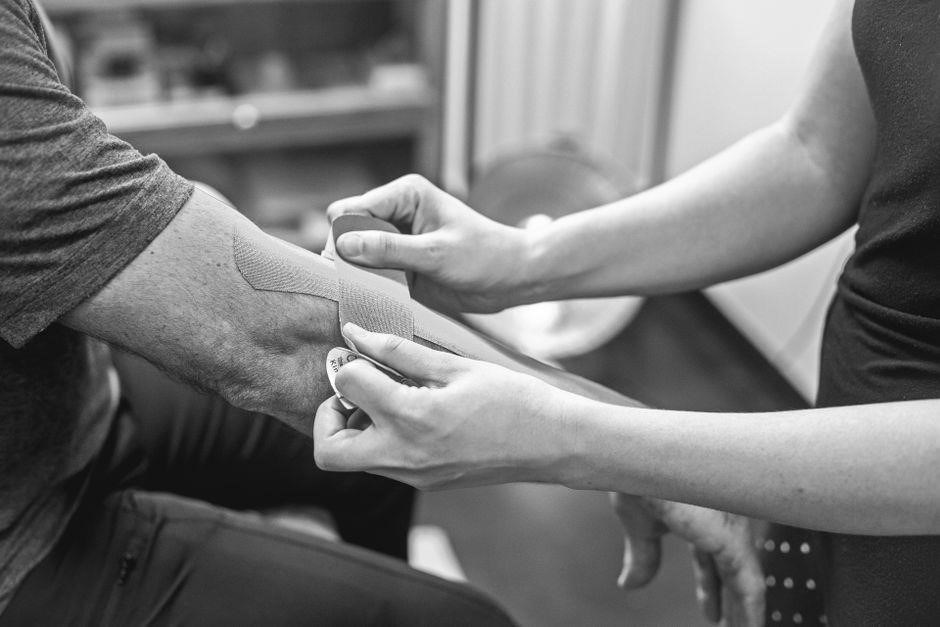
Recent biomechanical analyses reveal that kinesiology tape can modulate proprioceptive input and enhance motor unit recruitment in the forearm musculature. By strategically placing elastic strips over the flexor carpi radialis, palmaris longus, and pronator teres, the tape provides a sustained, low‑intensity stretch that encourages optimal muscle length. This subtle tension activates cutaneous mechanoreceptors, which in turn facilitate afferent signaling to the central nervous system. Enhanced afferent feedback improves cortical representation of the wrist and hand, leading to more efficient motor planning and execution. Clinical case series have documented increased grip strength and reduced tremor amplitude in patients with mild carpal tunnel syndrome after a 48‑hour taping protocol. Electromyographic recordings demonstrate a significant rise in median nerve conduction velocity and a decrease in muscle co‑activation patterns when tape is applied. The tape’s ability to lift the wrist joint reduces joint compression, allowing the median nerve to glide more freely. Moreover, the elastic material supports the intrinsic hand muscles, preventing fatigue during repetitive tasks. Patients report a heightened sense of control and decreased numbness, suggesting that neuromuscular facilitation contributes to symptom relief. Ongoing randomized controlled trials aim to quantify the magnitude of these effects and establish standardized taping protocols for maximal therapeutic benefit. In addition, the elastic tension of the tape lifts the wrist, which reduces pressure on the median nerve and improves blood flow. This mechanical effect is complemented by the tape’s ability to stimulate receptors, thereby enhancing proprioceptive awareness. Patients often describe a feeling of stability during work, which can translate into reduced fatigue and performance. Outcomes should be examined
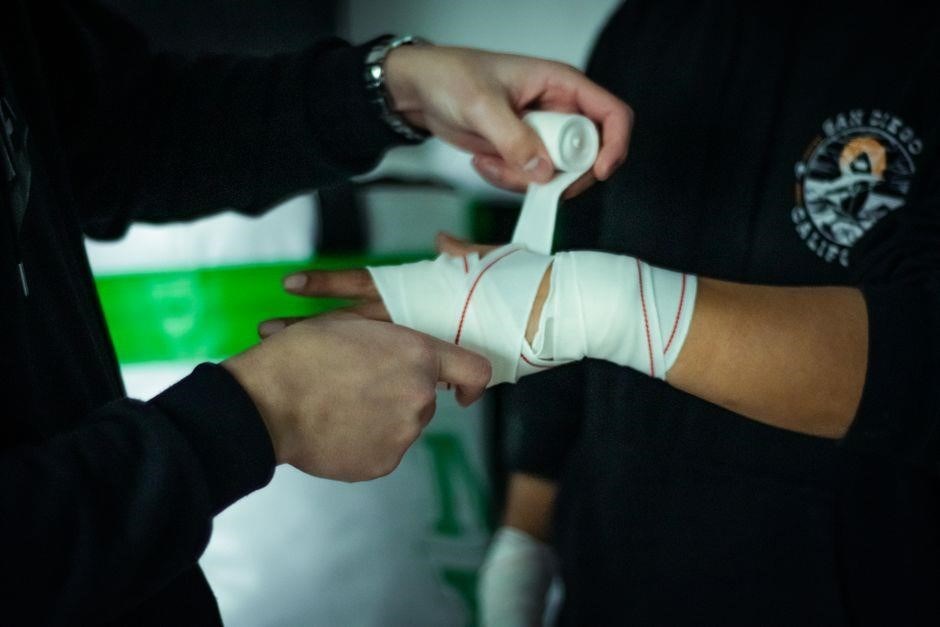
Application Guidelines for Carpal Tunnel
Clean the wrist, apply a thin strip from the base of the palm up to the wrist with 30% tension, ensuring the tape follows the flexor tendons. Maintain the strip for 48–72 hours, removing only after washing. Reapply if symptoms recur. Apply daily for best results!
Preparation Steps
Before applying kinesiology tape for carpal tunnel, follow a systematic routine to maximize effectiveness and minimize skin irritation.
- Skin Preparation: Wash the wrist and forearm with mild soap and lukewarm water. Dry completely with a clean towel. Avoid lotions, oils, or deodorants; these can reduce tape adhesion.
- Assessment: Identify the most symptomatic area. Lightly pinch the skin over the median nerve to locate tenderness. This helps determine the optimal tape starting point.
- Measure and Cut: Using a ruler, mark a strip length that extends from the base of the palm, over the carpal tunnel, to just above the wrist crease. Cut the tape to this length, trimming the edges to prevent fraying.
- Apply with Tension: Place the tape’s center over the identified tender spot. Pull the tape taut as you slide it along the wrist, maintaining 20–30% tension. This tension encourages micro‑movement and reduces pressure on the nerve.
- Secure Edges: Anchor the tape’s ends by pressing firmly for 30–60 seconds. This ensures the strip stays in place during daily activities.
- Post‑Application Care: Check for any rash or itching. If irritation occurs, remove the tape gently and reapply to a clean area. Monitor skin response over the first 24 hours.
- Documentation: Record the tape’s placement, tension level, and any immediate symptom changes. This data aids future adjustments and tracks progress.
Adhering to these steps creates a stable foundation for kinesiology tape to support wrist alignment, reduce median nerve compression, and potentially alleviate mild carpal tunnel symptoms;
Correct Strip Placement
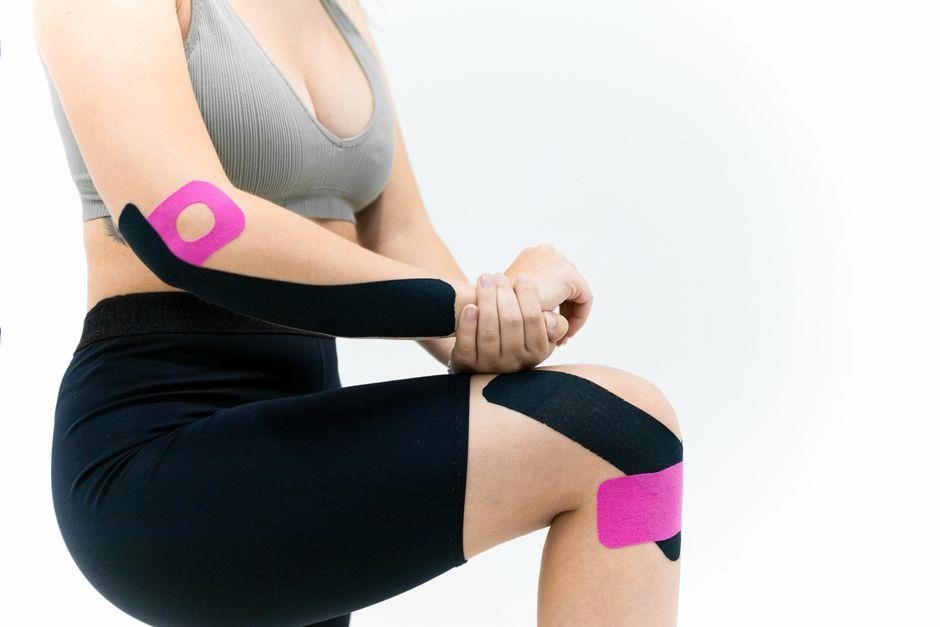
For optimal therapeutic effect, the tape must follow the anatomical course of the median nerve and support the wrist without restricting circulation. Begin by positioning the patient’s forearm supinated, palm down, and the wrist in neutral. Identify the anatomical landmarks: the pisiform bone, the hook of the hamate, and the distal radius. The tape’s central strip should be centered over the median nerve’s path, approximately 2 cm proximal to the wrist crease, extending distally to just above the carpal tunnel. Use a 2‑inch wide, 6‑inch long strip to allow sufficient coverage. Apply the tape with a slight stretch (20–30%) to encourage micro‑movement and reduce static pressure. The proximal end is anchored over the wrist crease, the central segment runs over the carpal tunnel, and the distal end is secured over the distal radius. Ensure the tape does not cross the ulnar side of the wrist, which could compress the ulnar nerve. The tape should be applied in a “Y” or “X” pattern if additional support is needed, but avoid overlapping strips that may cause skin irritation. After placement, gently press the edges to secure adhesion, and instruct the patient to flex and extend the wrist to confirm that the tape remains in place without excessive tension. Finally, document the exact placement coordinates and any immediate symptom changes to guide future adjustments.
During application, keep the forearm relaxed to avoid inadvertent tension on the flexor tendons. The tape should be applied in a slightly upward direction from the wrist to the elbow, creating a gentle lift that reduces pressure on the tunnel. If the patient reports numbness in the thumb or index finger, adjust the tape to shift slightly distal, ensuring the median nerve is not compressed. For patients with edema, a light “Z” pattern can help disperse fluid while maintaining support. Always check the skin after removal for any signs of irritation; if present, discontinue use and consult a clinician. Consistent application over 24‑48 hours, followed by a 12‑hour break, allows the body to adapt and reduces the risk of skin breakdown. By adhering to these placement guidelines, practitioners can maximize the potential benefits of kinesiology tape for carpal tunnel syndrome while minimizing adverse effects.
The tape’s elasticity allows natural wrist motion, preventing stiffness while providing support. Regular reassessment every 48 hours ensures that the tape remains effective and that any changes in symptomatology are promptly addressed.
Duration of Wear
Clinical recommendations for the duration of kinesiology tape application in carpal tunnel syndrome vary, but most protocols suggest a wear period of 24 to 48 hours per cycle. The tape should be removed during bathing or after prolonged exposure to moisture to prevent skin irritation. After removal, a brief 12‑hour rest period allows the skin to recover before re‑application. If symptoms improve, the tape can be reapplied for another 24‑hour cycle; if symptoms persist, consider extending the wear time to 48 hours, ensuring that the adhesive remains intact and the skin does not develop maceration. For patients with mild symptoms, a 24‑hour wear schedule is often sufficient, whereas those with moderate to severe compression may benefit from 48‑hour cycles. In practice, a 24‑hour wear followed by a 12‑hour break, repeated over several days, provides a balance between therapeutic benefit and skin safety. Adjustments should be made based on patient feedback and clinical assessment.
When extending wear beyond 48 hours, use a secondary layer of breathable gauze or a moisture‑wicking bandage to protect the adhesive interface. This secondary layer helps absorb sweat and reduces friction, thereby extending the tape’s functional lifespan. Additionally, applying a light layer of petroleum jelly at the tape’s edges can improve adhesion and prevent peeling. However, excessive jelly may compromise the tape’s lift effect, so use sparingly. For athletes or active individuals, a 24‑hour cycle is typically preferred to accommodate training schedules. In contrast, office workers who experience intermittent symptoms may opt for a 48‑hour cycle to maximize symptom relief during peak activity periods. Regardless of the chosen schedule, it is crucial to educate patients on proper removal techniques—slow, gentle peeling from the distal end—to minimize skin trauma. Consistent adherence to these duration guidelines enhances the efficacy of kinesiology tape while safeguarding skin integrity. Patients report changes.
PDF Resources and Guides
Clinicians and patients can download the American Physical Therapy Association’s concise guide, “Kinesio Taping for Upper Extremity Disorders,” which includes a dedicated section on carpal tunnel syndrome with evidence summaries, contraindications, and step‑by‑step application diagrams. The 42‑page PDF is freely available to APTA members. Complementing this, the Journal of Orthopaedic & Sports Physical Therapy publishes a 12‑page meta‑analysis titled “Carpal Tunnel Syndrome: A Review of Kinesiology Tape,” summarizing randomized controlled trials and offering a clinical decision tree for tape placement.
KT Tape’s official Quick‑Start guide, a 6‑page PDF, offers wrist‑specific strip placement instructions, recommended lengths, and after‑care tips, all illustrated with high‑resolution images. The guide is freely downloadable and includes a FAQ section addressing common concerns; NICE’s brief 8‑page PDF, “Non‑pharmacological Interventions for Carpal Tunnel Syndrome,” lists kinesiology taping as an adjunct therapy and summarizes current guidelines.
These PDFs collectively provide peer‑reviewed, evidence‑based guidance for clinicians and patients. They cover preparation steps, strip placement, contraindications, and after‑care instructions, enabling individualized taping protocols. By reviewing these documents, practitioners can tailor KT Tape application to each patient’s anatomy, symptom severity, and activity level, ensuring safe, effective use while staying current with evolving research Explore PDFs for guidance now